
Maison Margiela Fall/Winter 2020 Artisanal Review
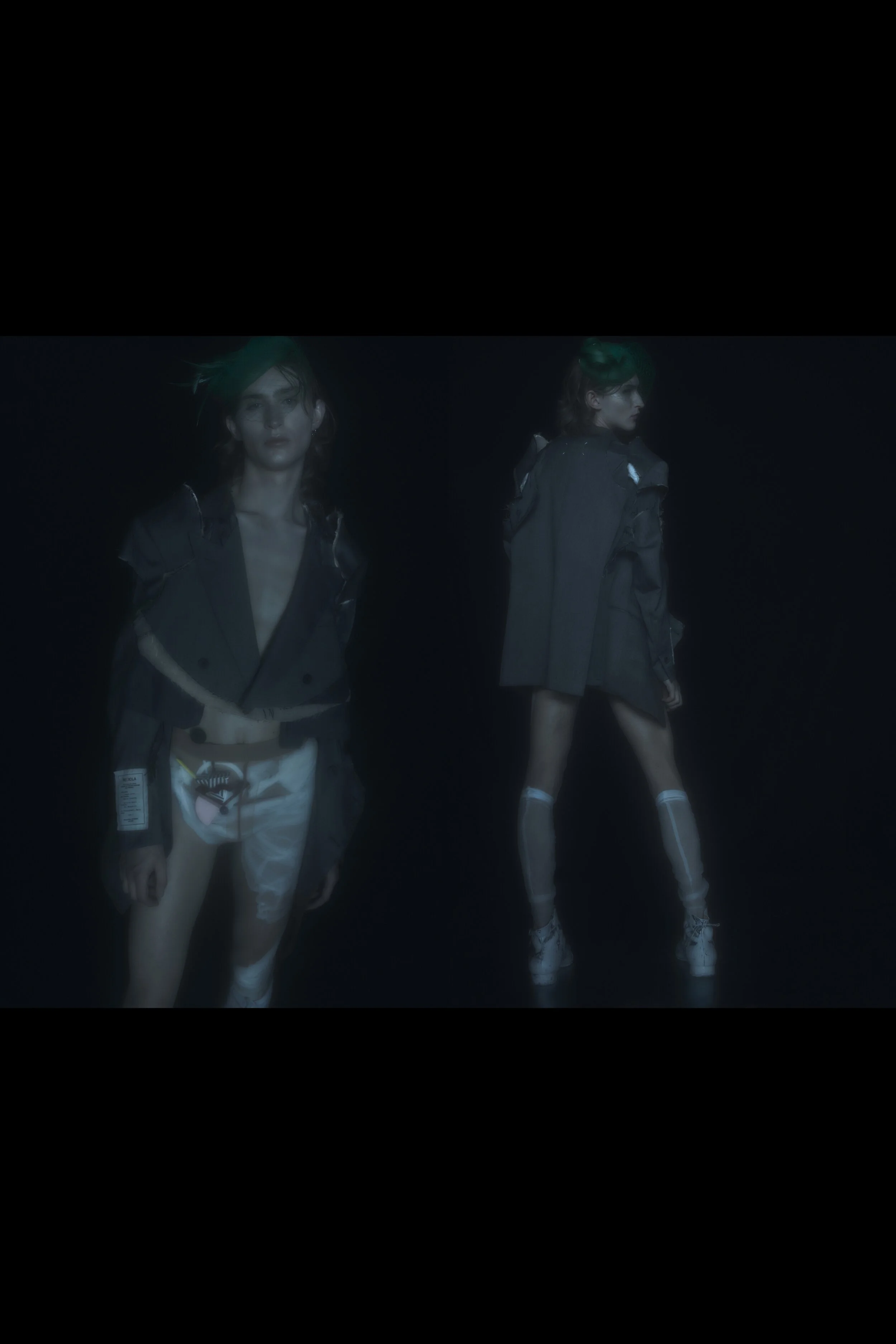
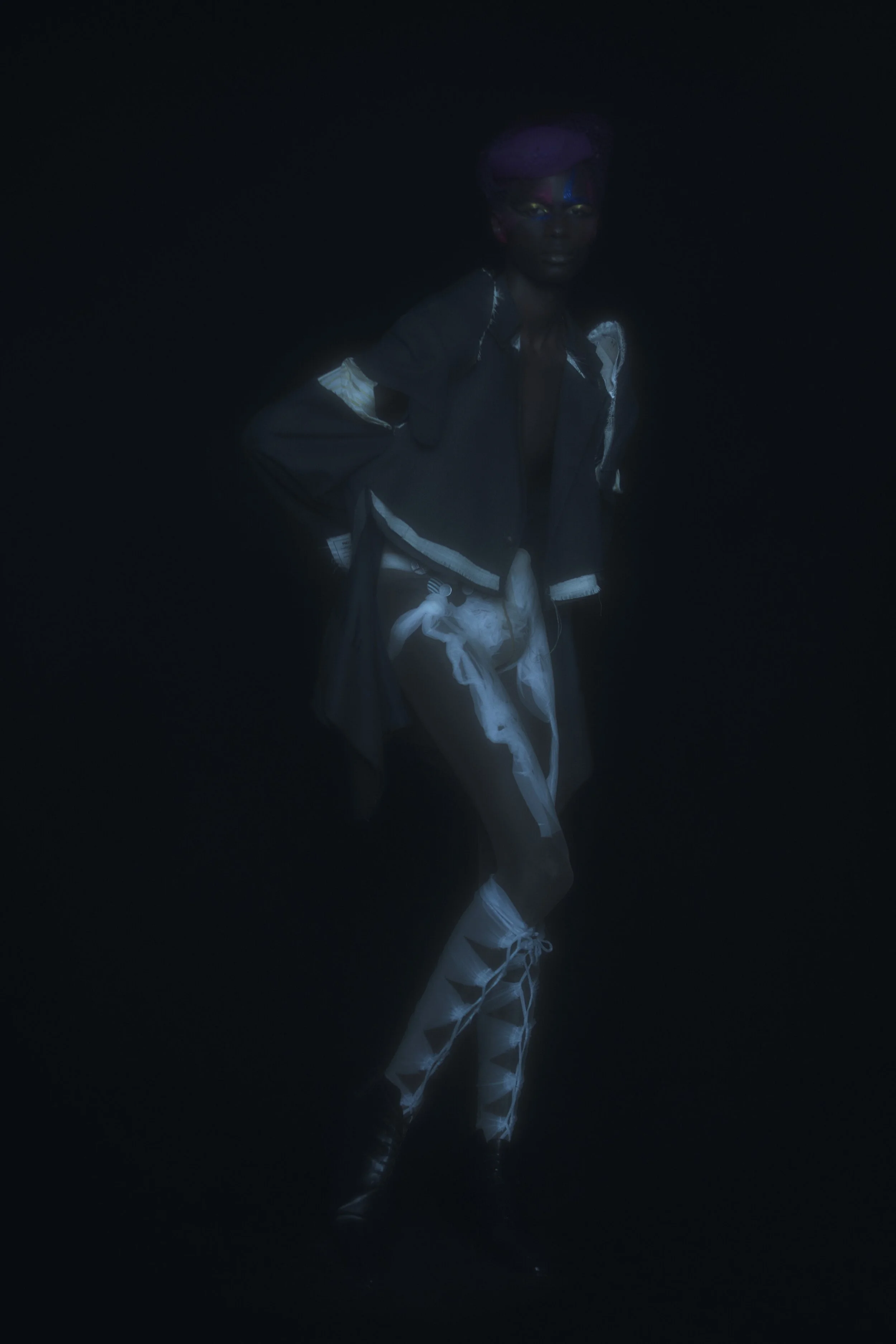
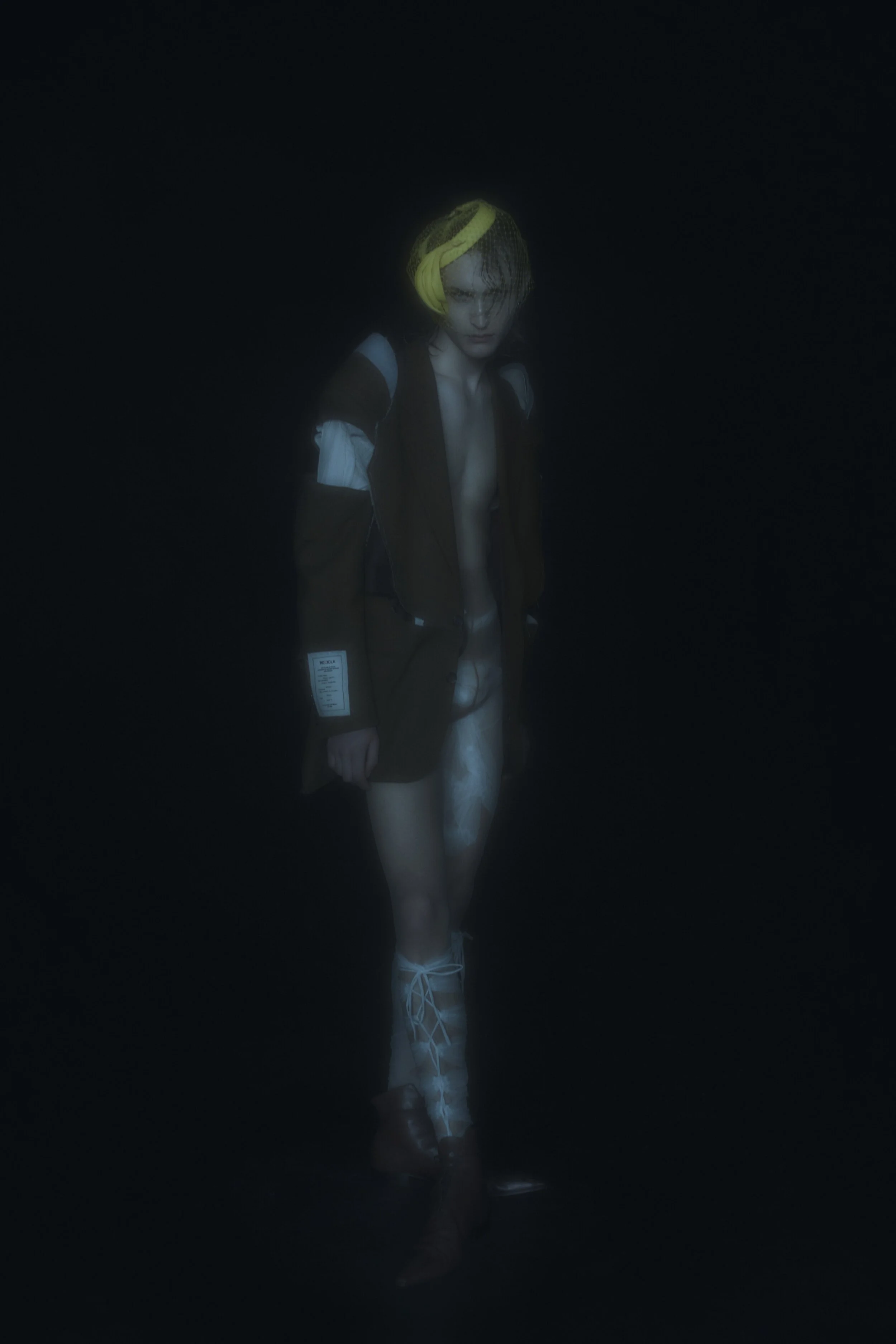
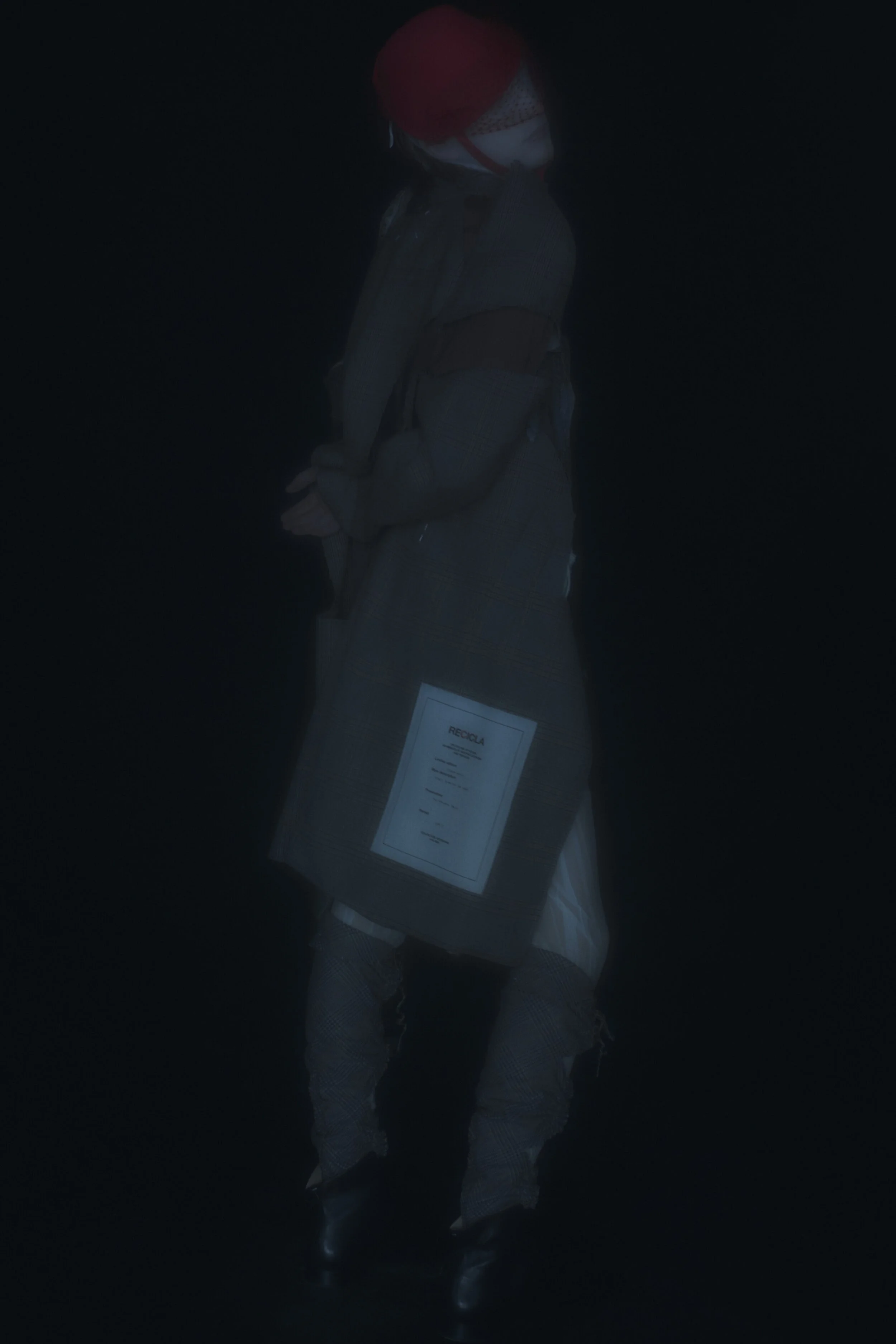
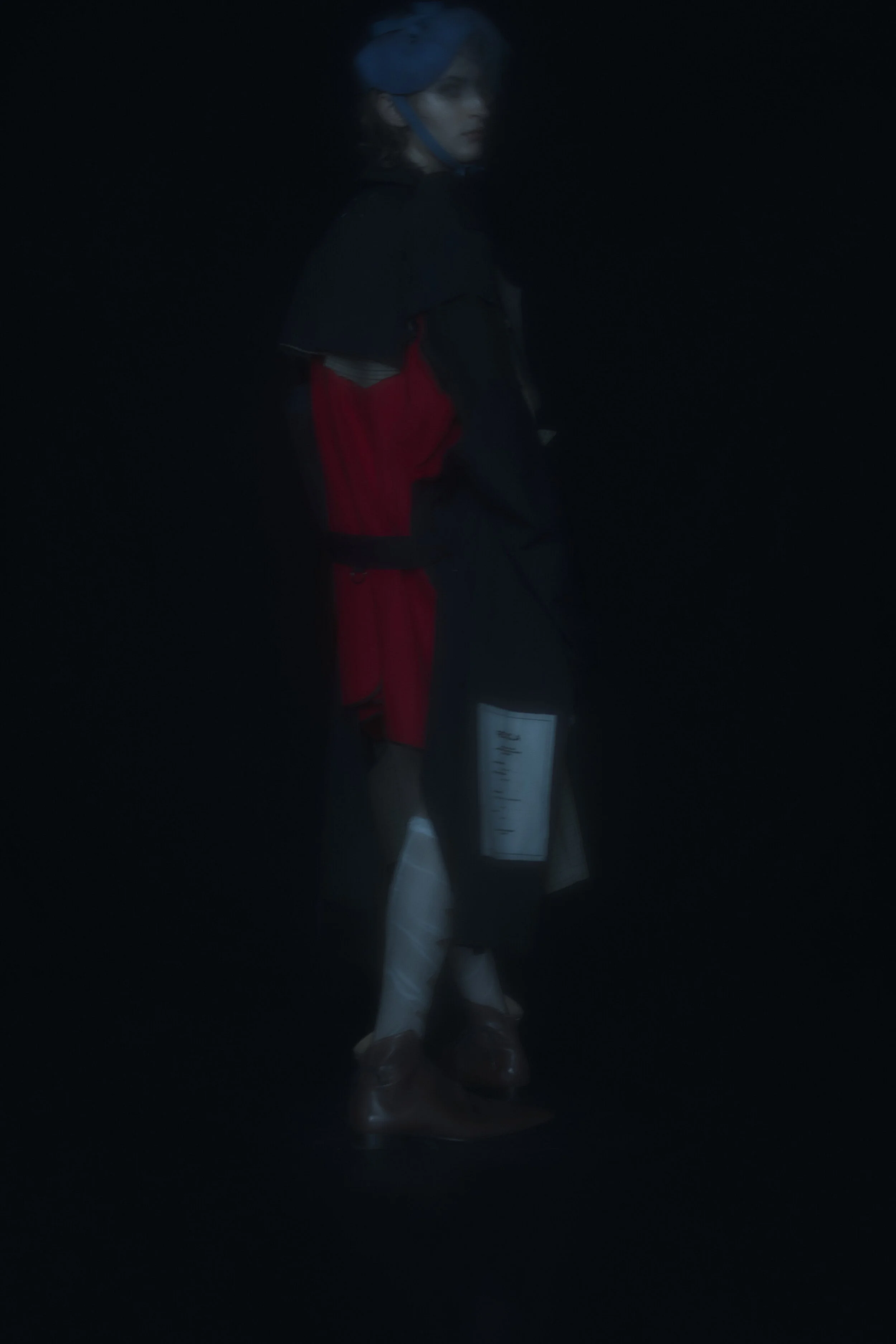
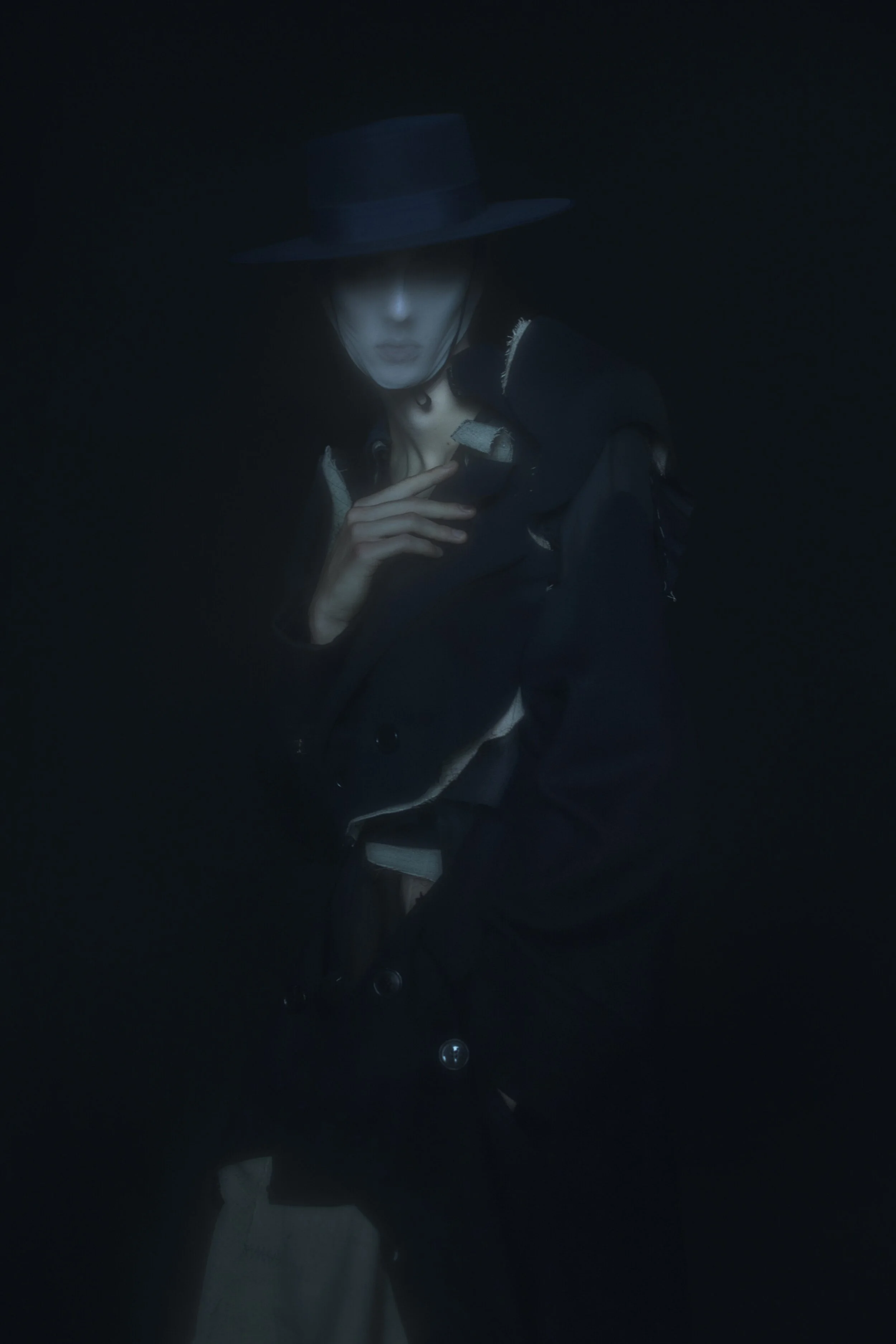
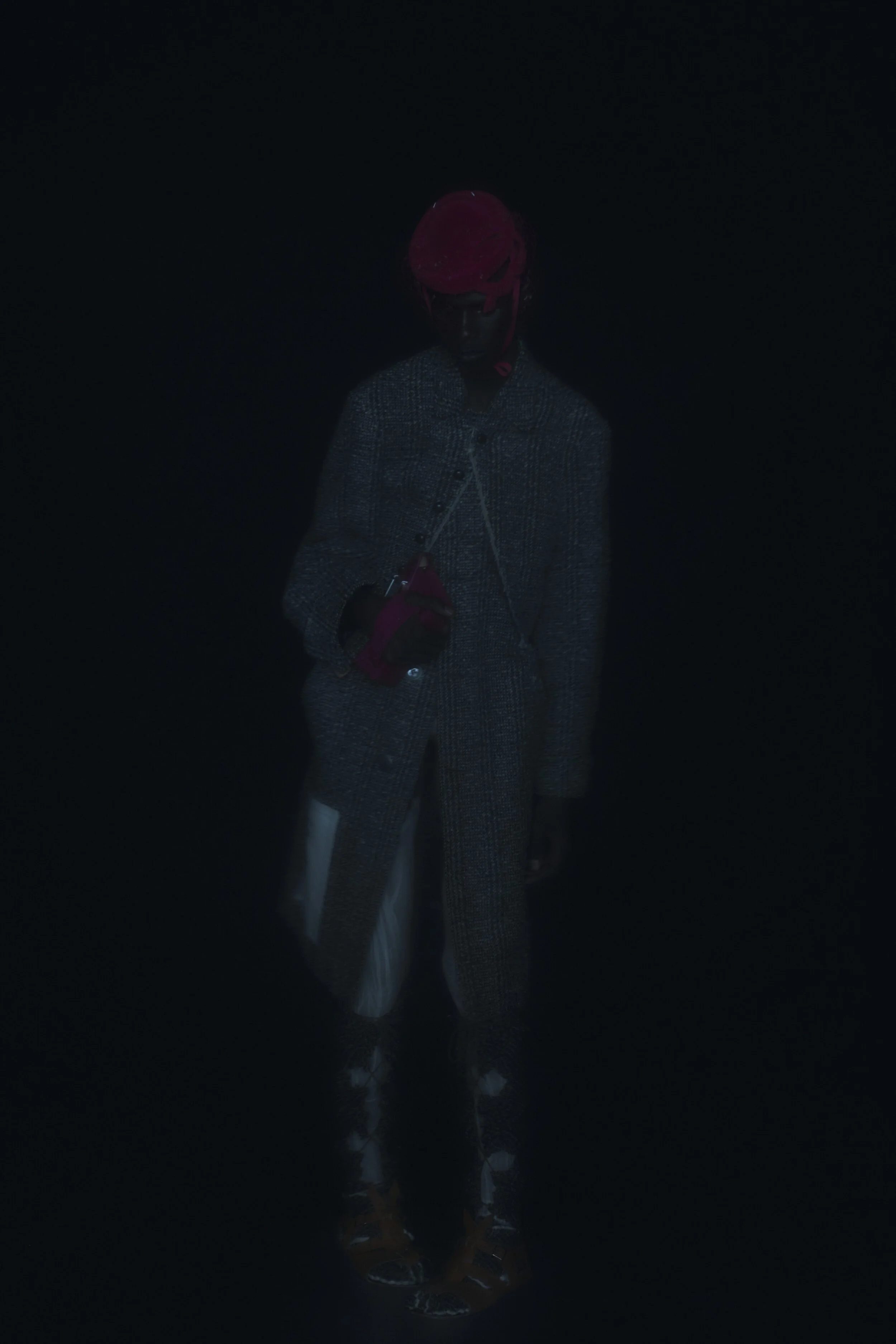
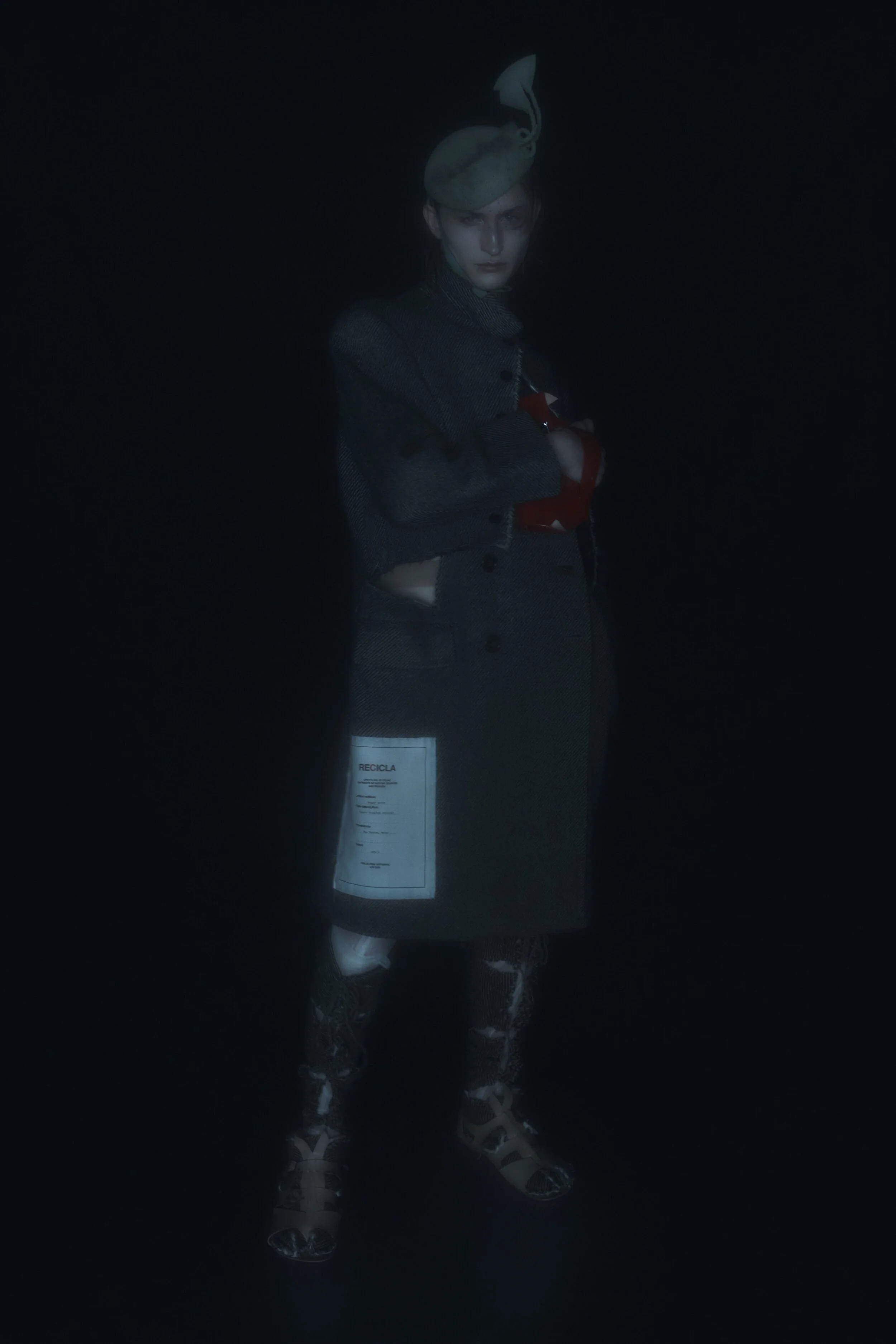
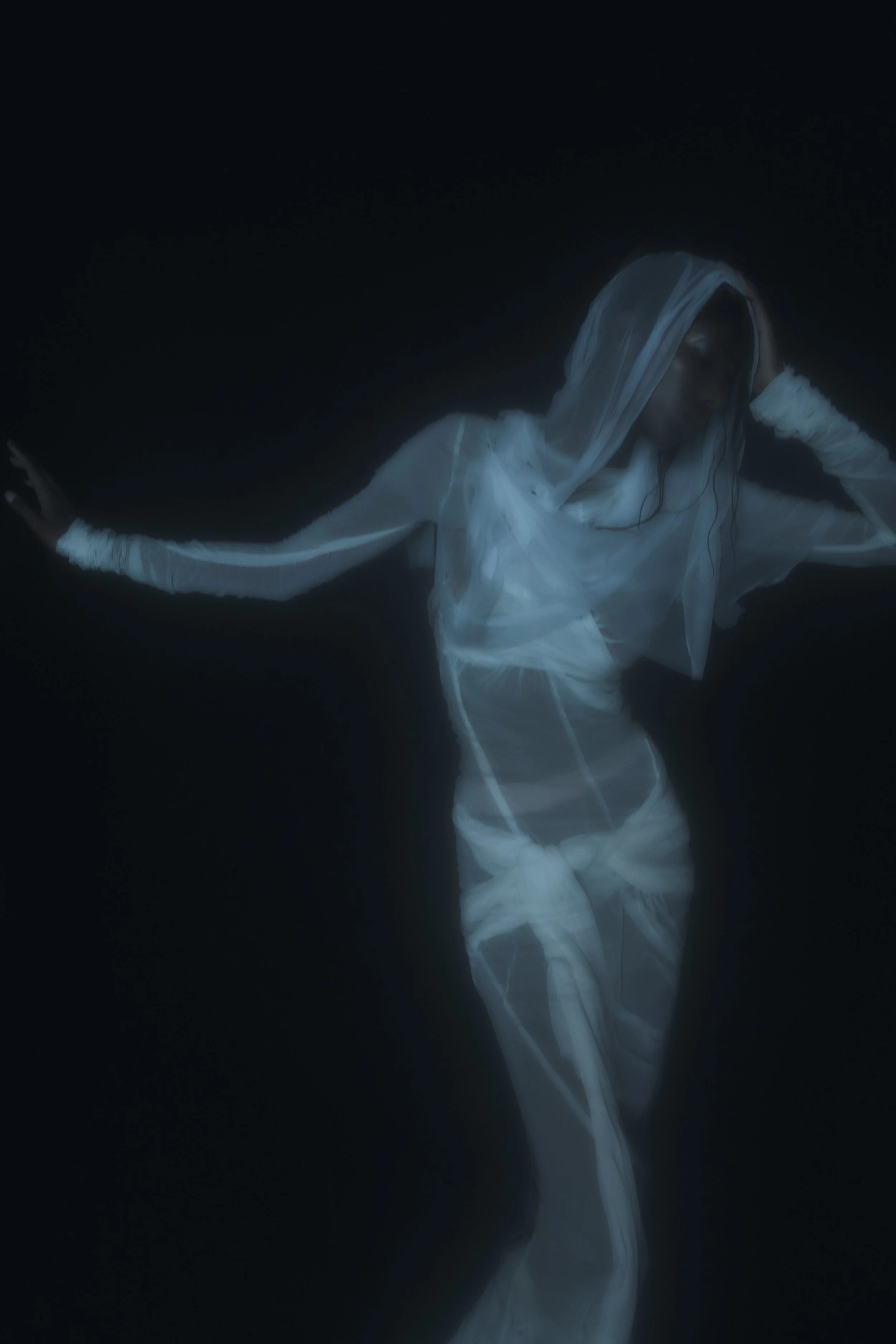
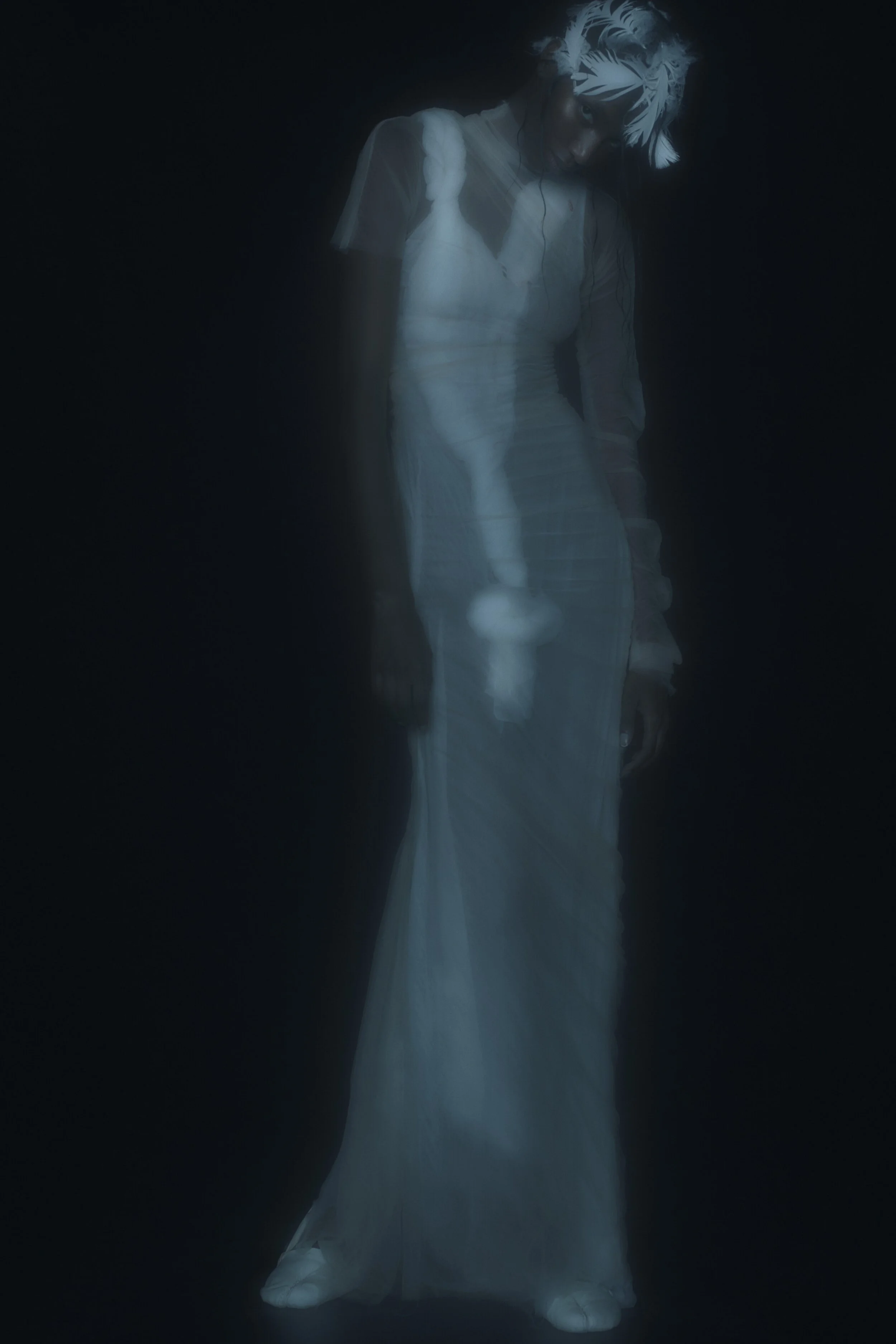
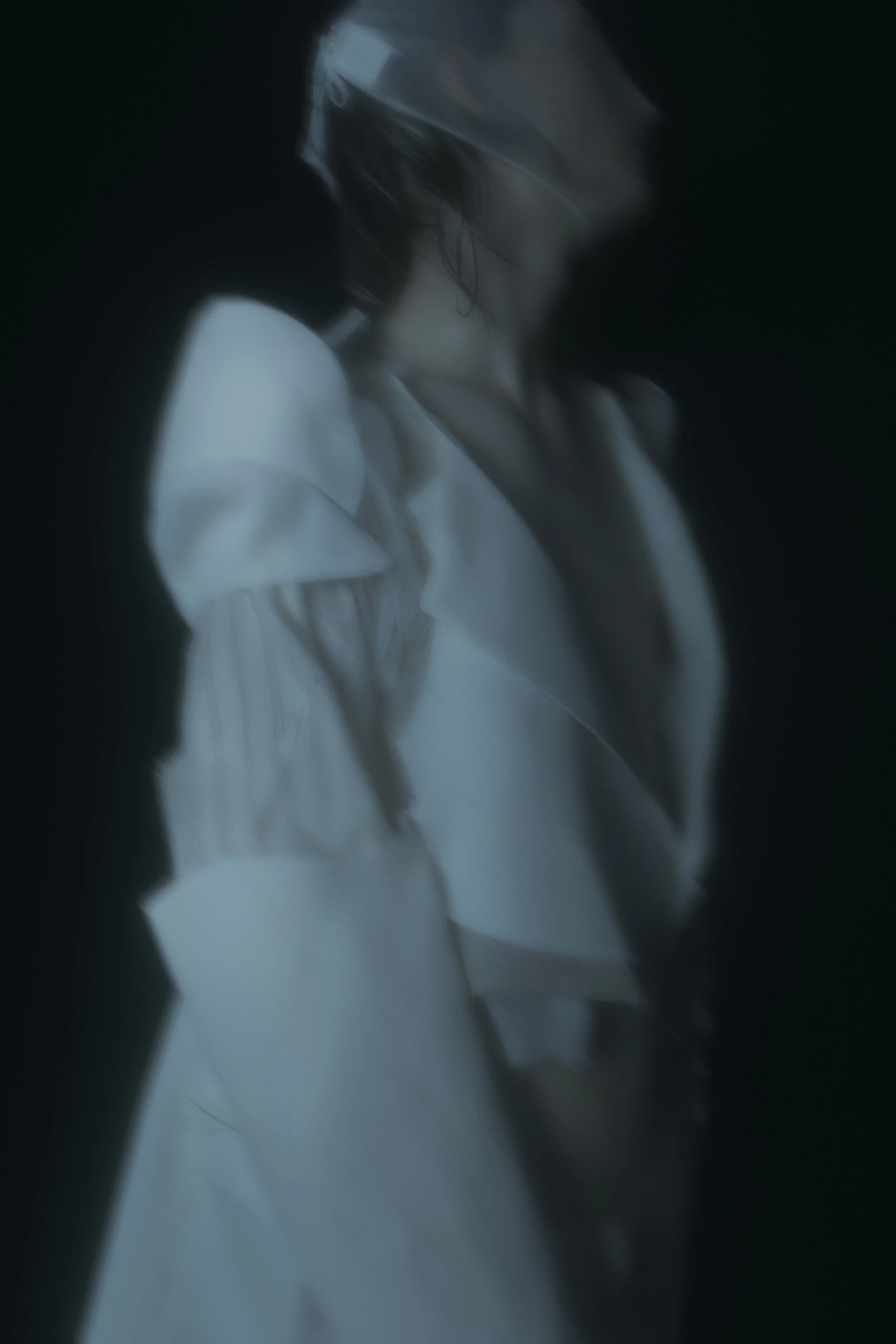
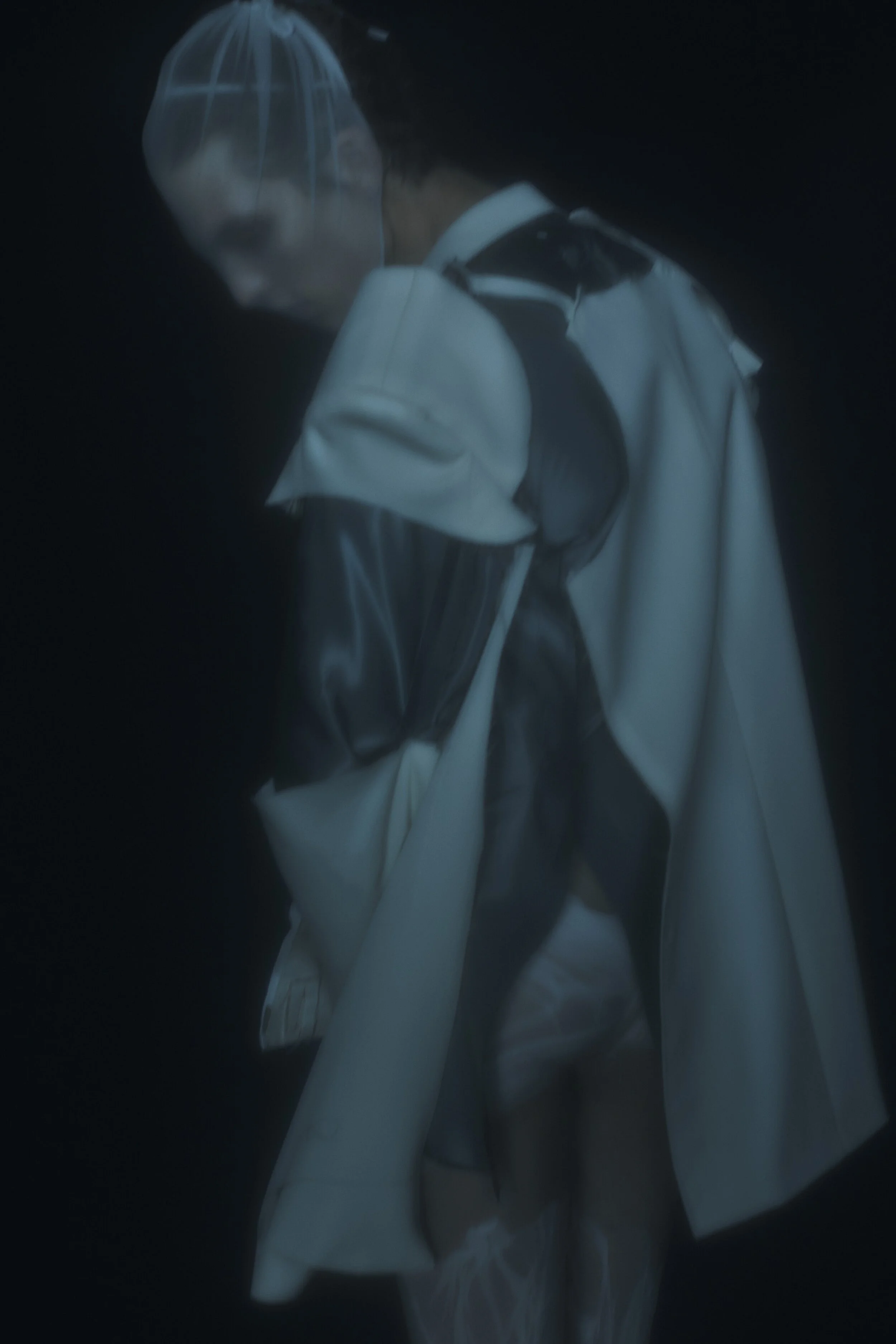
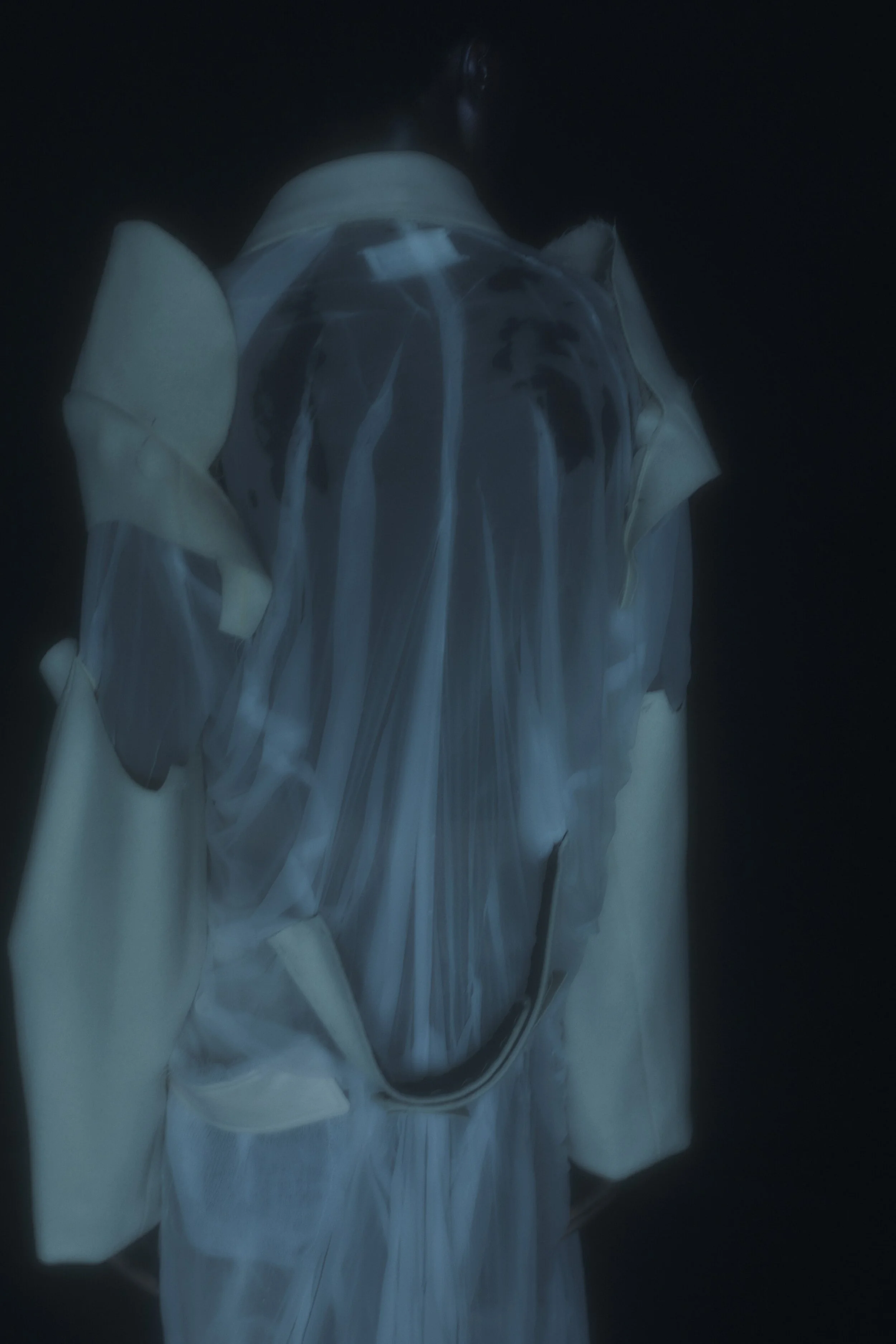
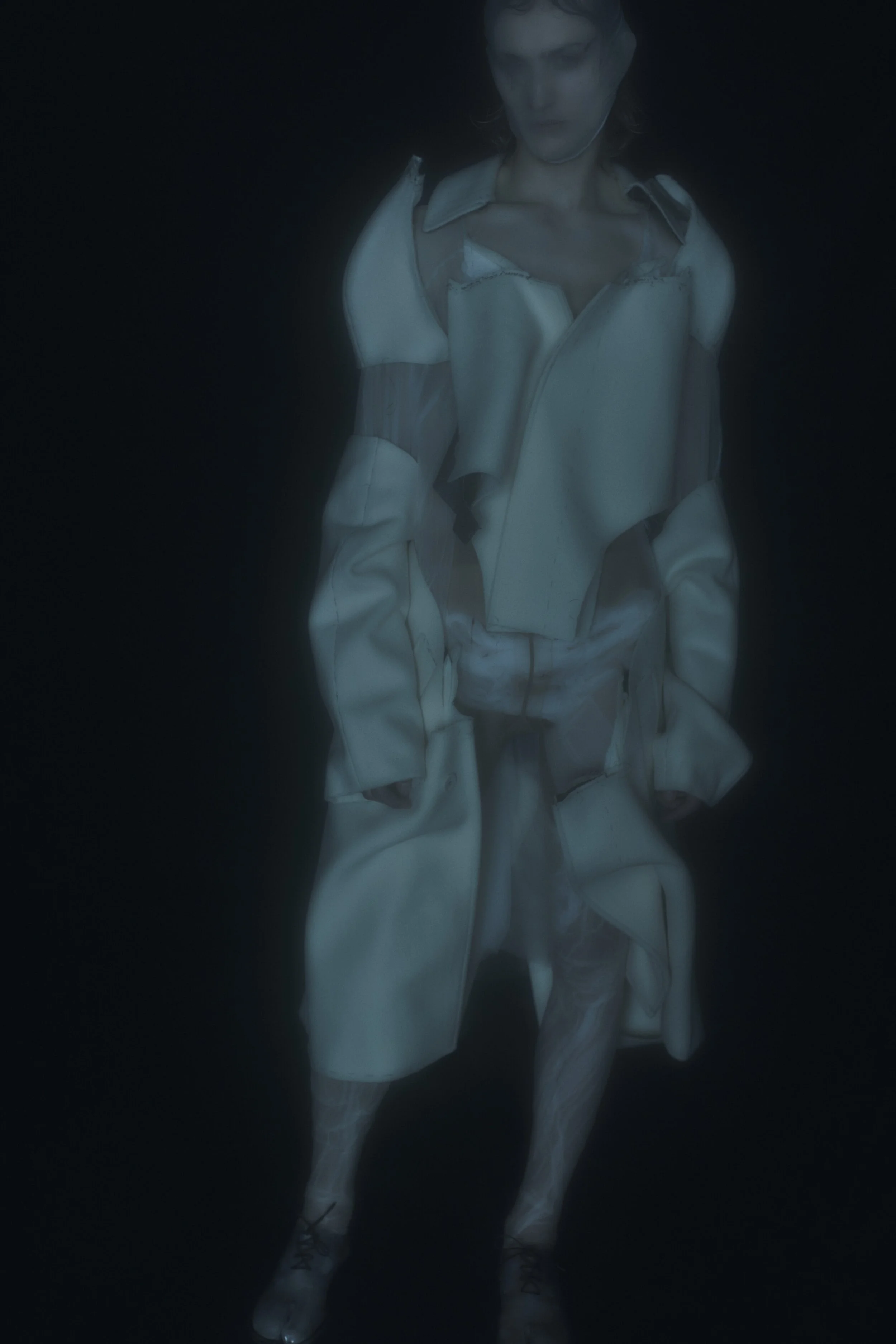
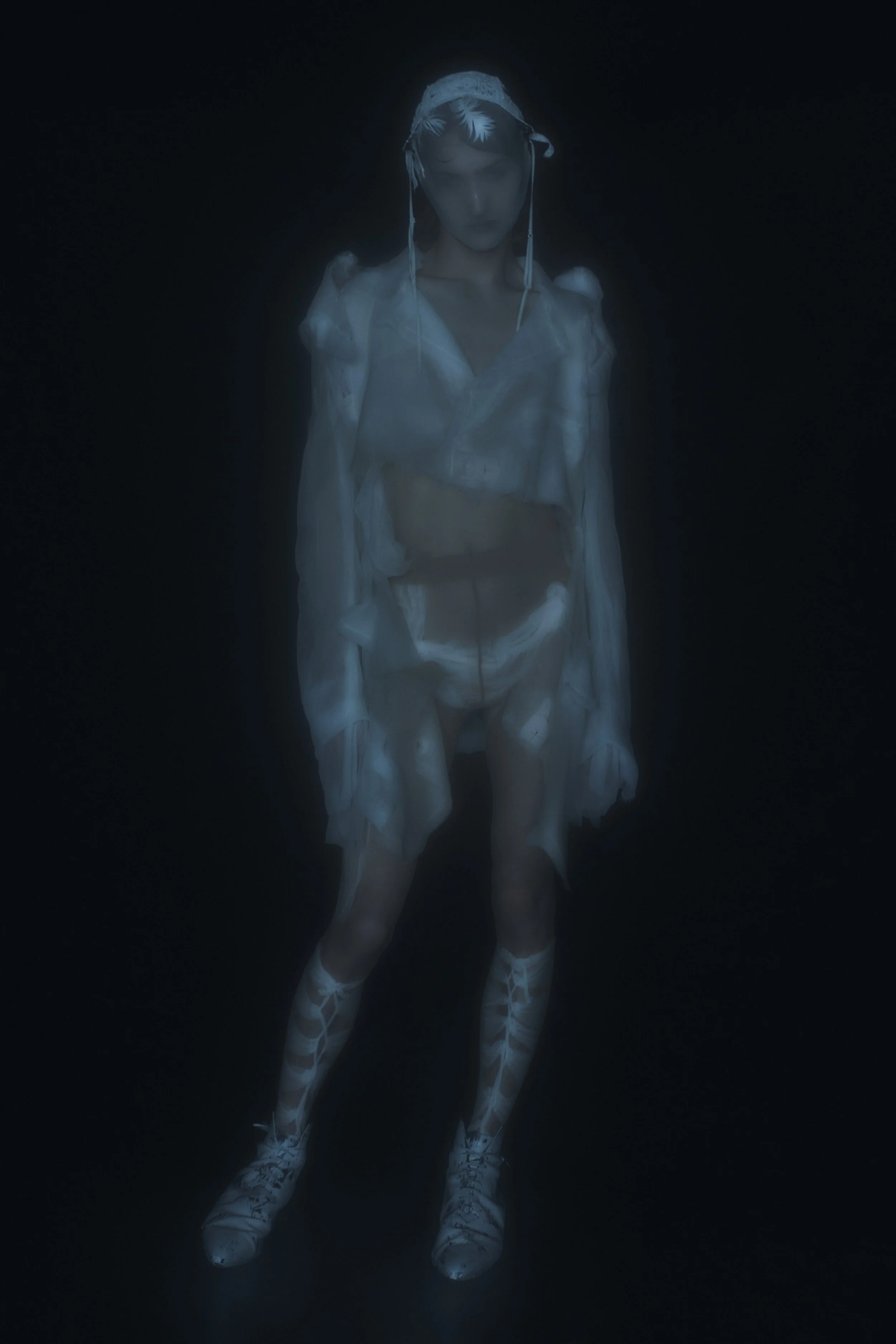
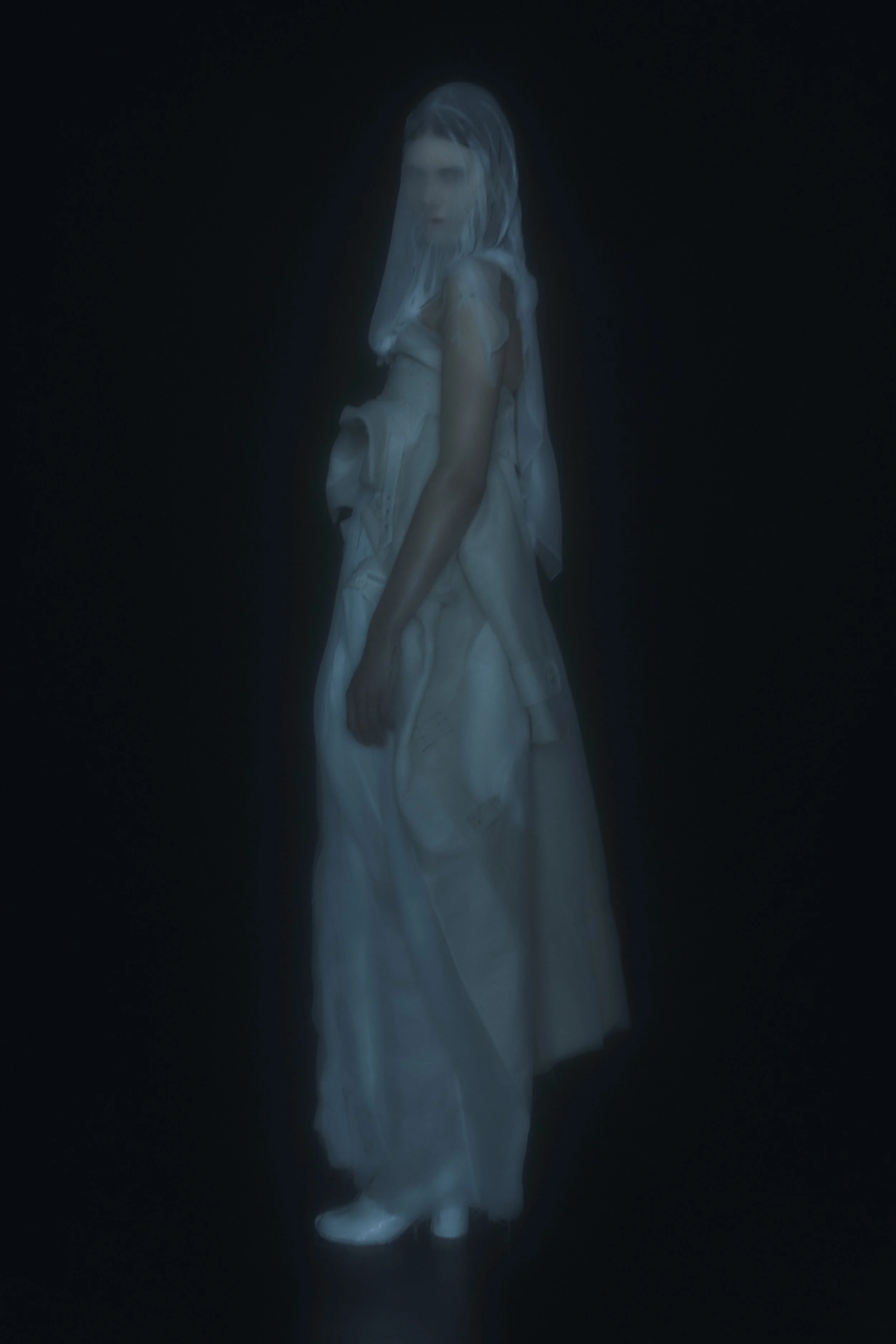
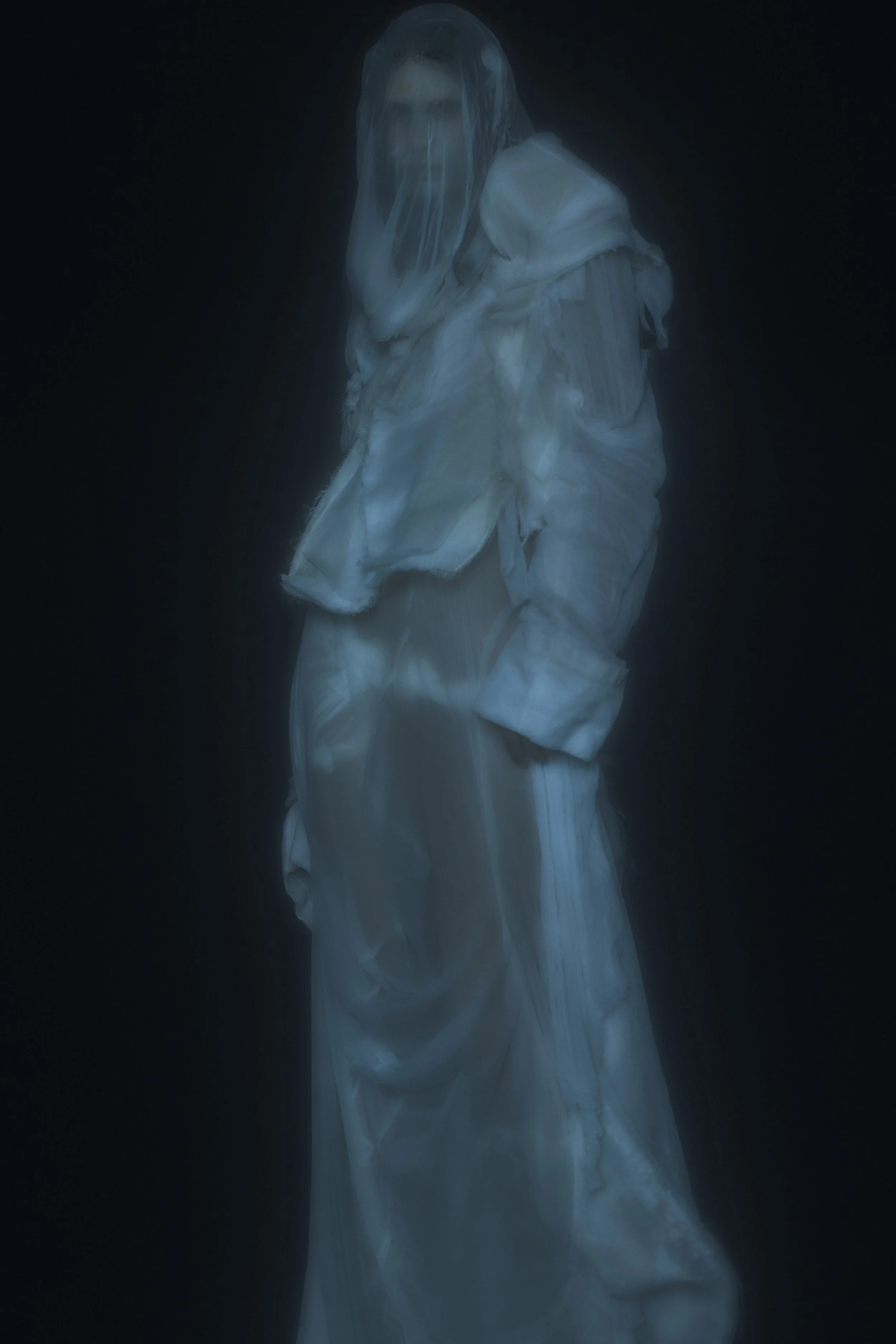
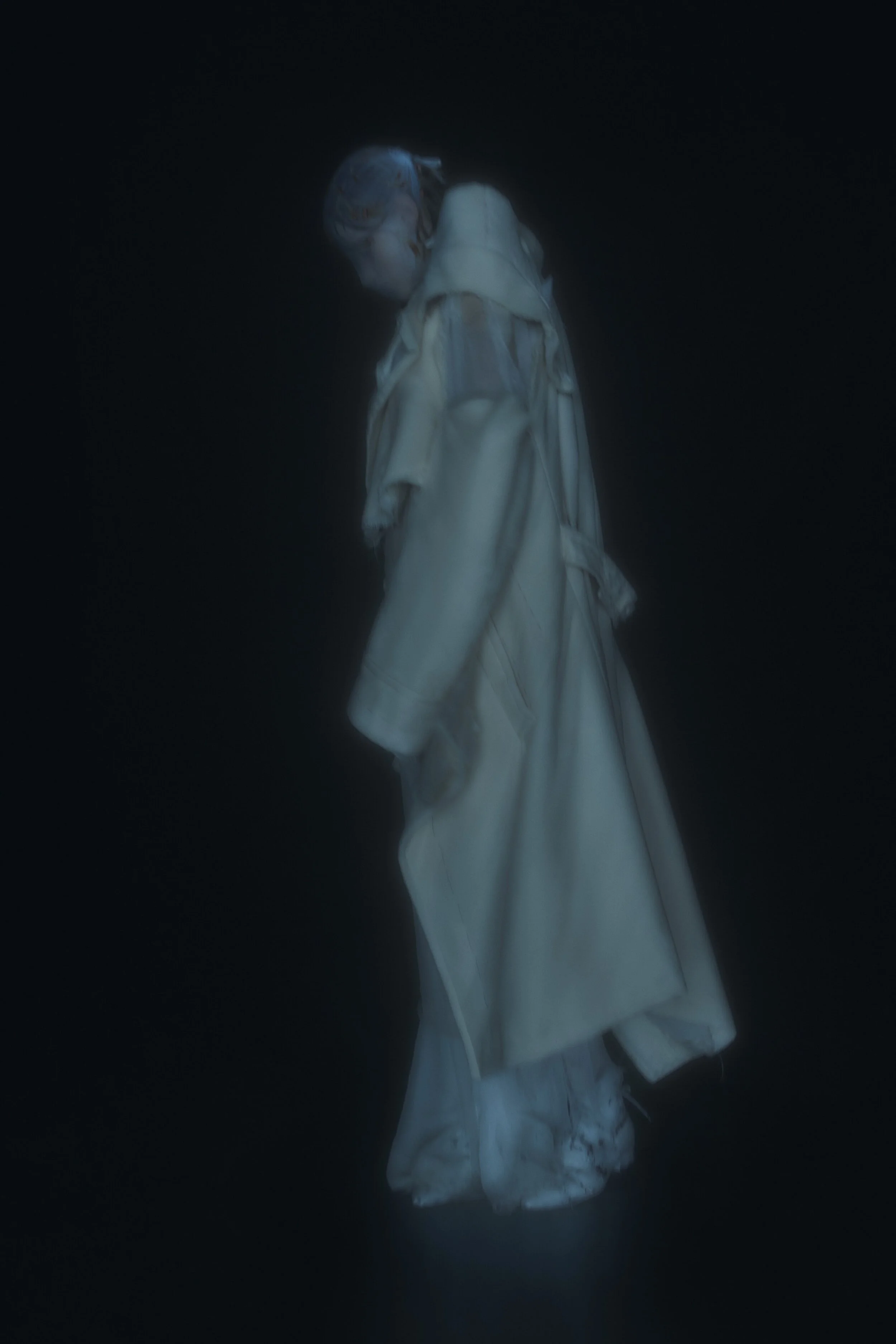
No one could’ve predicted the overwhelming force of nature that is the COVID-19 pandemic, least of all John Galliano. As creative director of Maison Margiela, being restricted to his home when he has a collection to create was a great struggle for him. But isolation gave him time to think about the work he does and the new world it exists in. What are the key reasons for haute couture in a pandemic-stricken world? Will anything ever be the same? Galliano looked to the past, both world history and his past collections, to see what good the arts could do in troubling times. He cited intellectual references like only he could put together, in the most passionate way. Ranging from sculpture of the 19th century, to club kids of the 1980s, John Galliano decided to base his Fall/Winter 2020 Artisanal collection for Maison Margiela on three key principles: Hope, Heroism, and Hedonism.
Because of the pandemic, Maison Margiela had to rework their traditional Artisanal show to fit the social distancing restrictions. Instead of hosting his usual fashion show in Paris, Galliano decided to partner with photographer and videographer Nick Knight, who recorded Galliano in various ways during the production of the collection. Knight attached GoPros to various muses (in-house fit models that Galliano cited as inspiration) and their dogs, he commandeered security footage, and even released a drone to film from the outside. Through these techniques the resulting film is innately voyeuristic. Galliano called this film is a thriller.
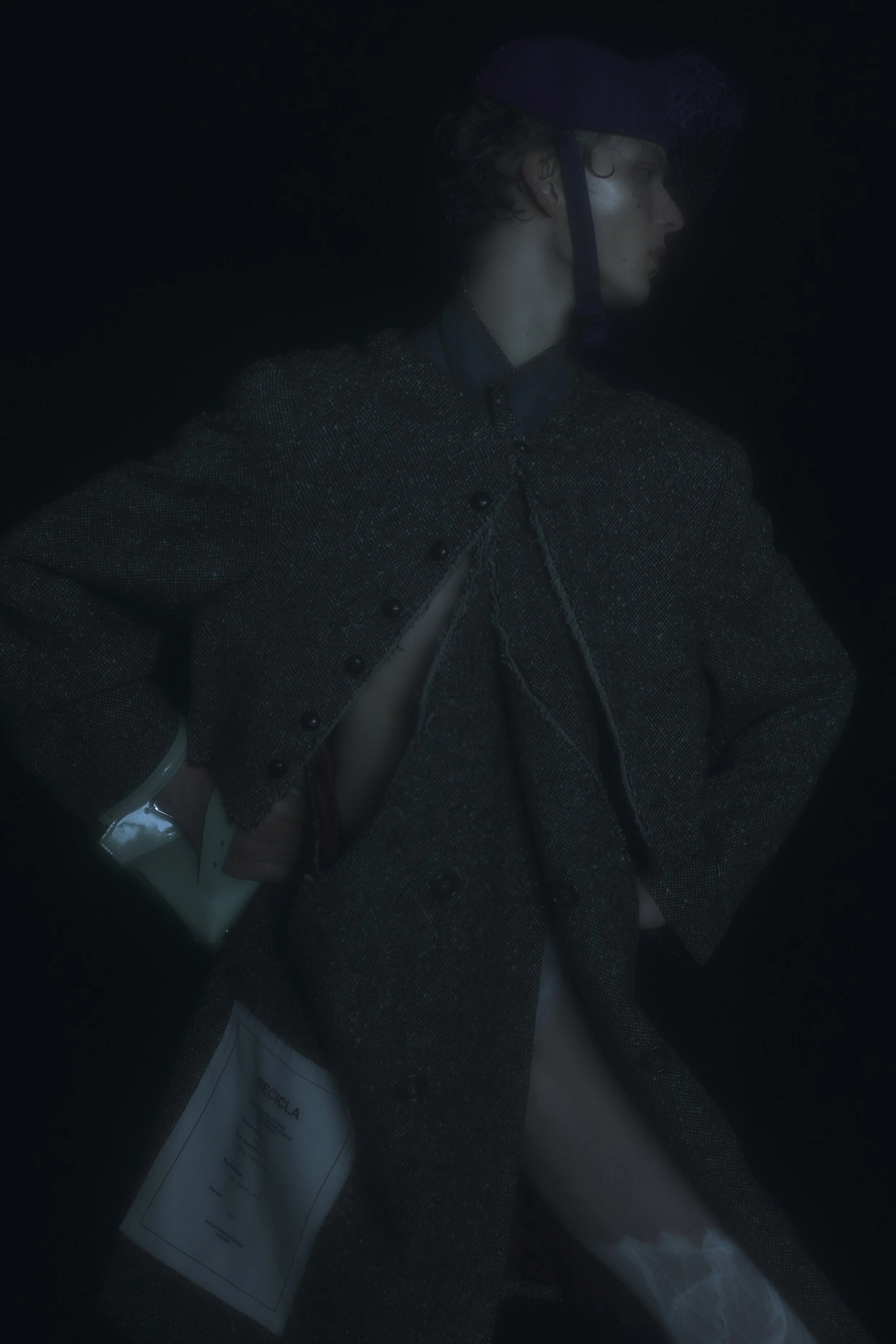
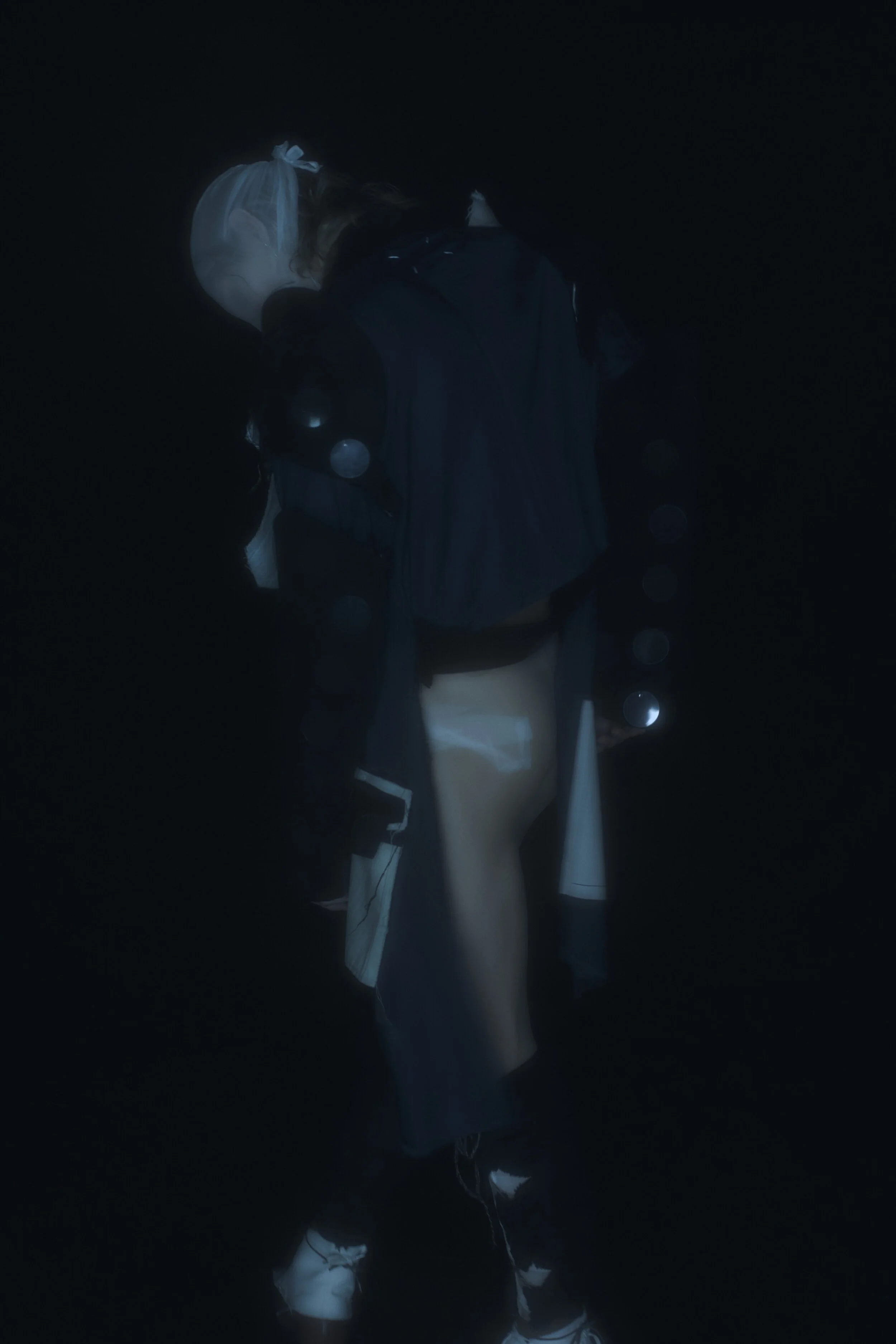
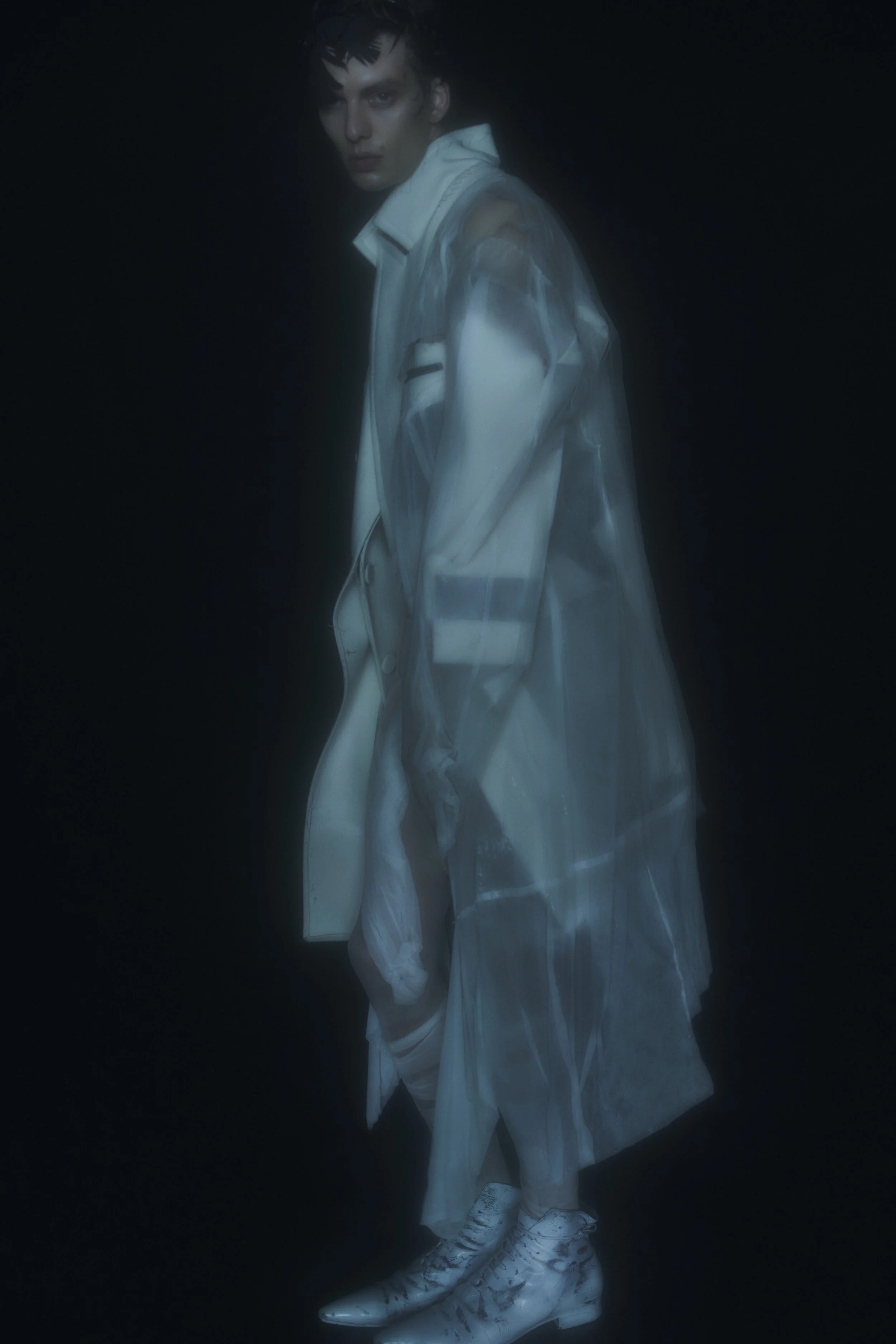
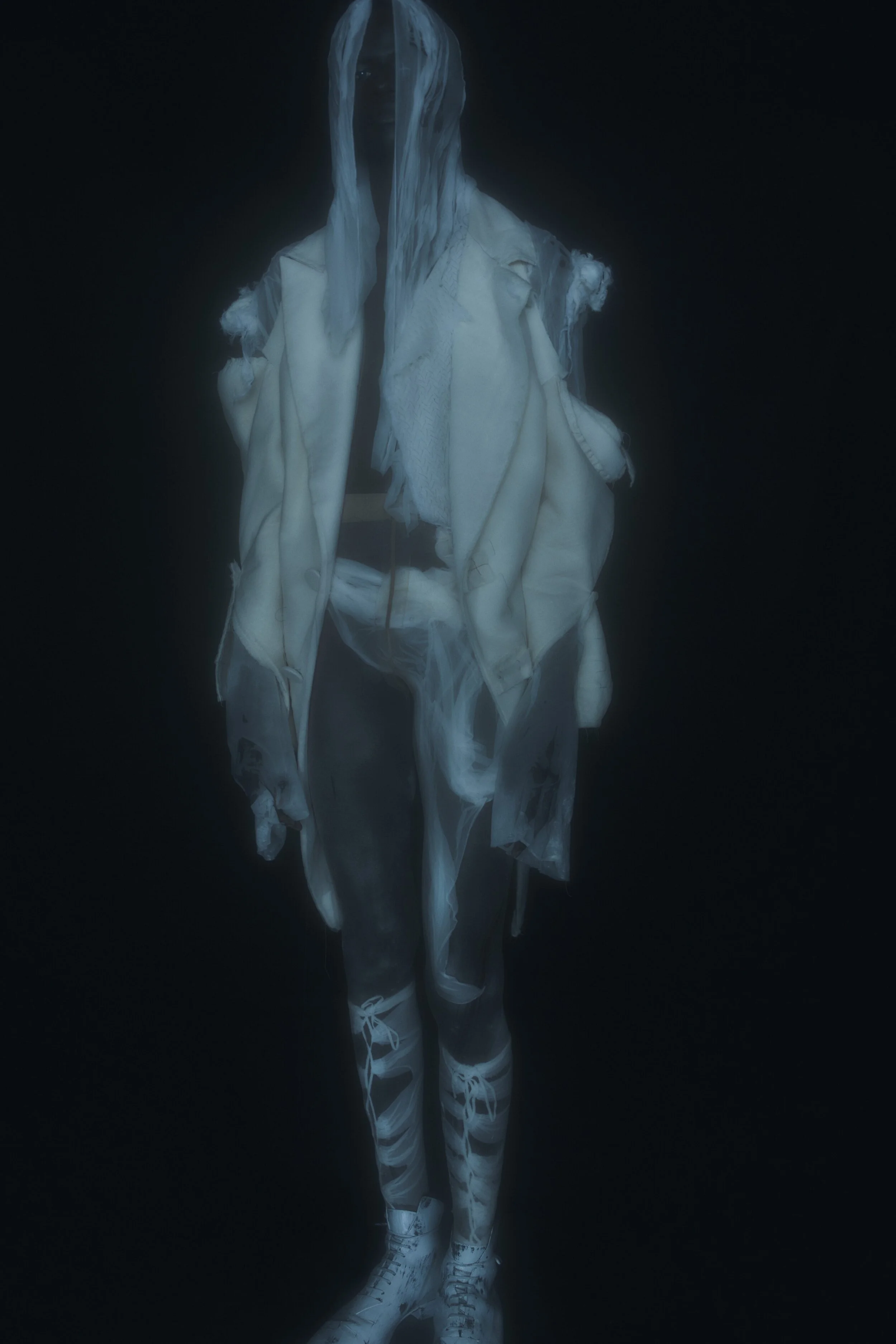
Looking for Hope in a situation you can’t completely control led Galliano to look at the preexisting codes of Maison Margiela. The designer searched through his own past work, silhouettes he was developing for his namesake brand in the late 1990s and early 2000s. The circular cut silhouettes, created by cutting on the bias and laying out patterns in the shape of circles, was something he wanted to explore again. He not only looked to past techniques but went hunting in charity shops hunting for menswear staples. A classic single-breasted jacket stuck out. Instead of creating something completely new from fabric bolts, why not invent something out of clothes that already exist? Sustainability by way of upcycling continues to be a house code for Margiela.
Galliano also inspected the true reason for the Artisanal department of Maison Margiela. Why take the time to create expensive gowns that the average middle-class person could never afford? “Modern couture today isn’t just for dressing the elite, (its) to show what we’re capable of”, Galliano said while on a Zoom call with his team and Nick Knight. Being able to take the time to try new and experimental things allows that to be filter down into ready-to-wear collections. But in order to try truly new techniques and fabric developments, you have to have a lot of time, and time is money. So couture, specifically Margiela Artisanal, is an artist’s studio, taking the time to experiment and implement new ideas on the canvas of fashion.
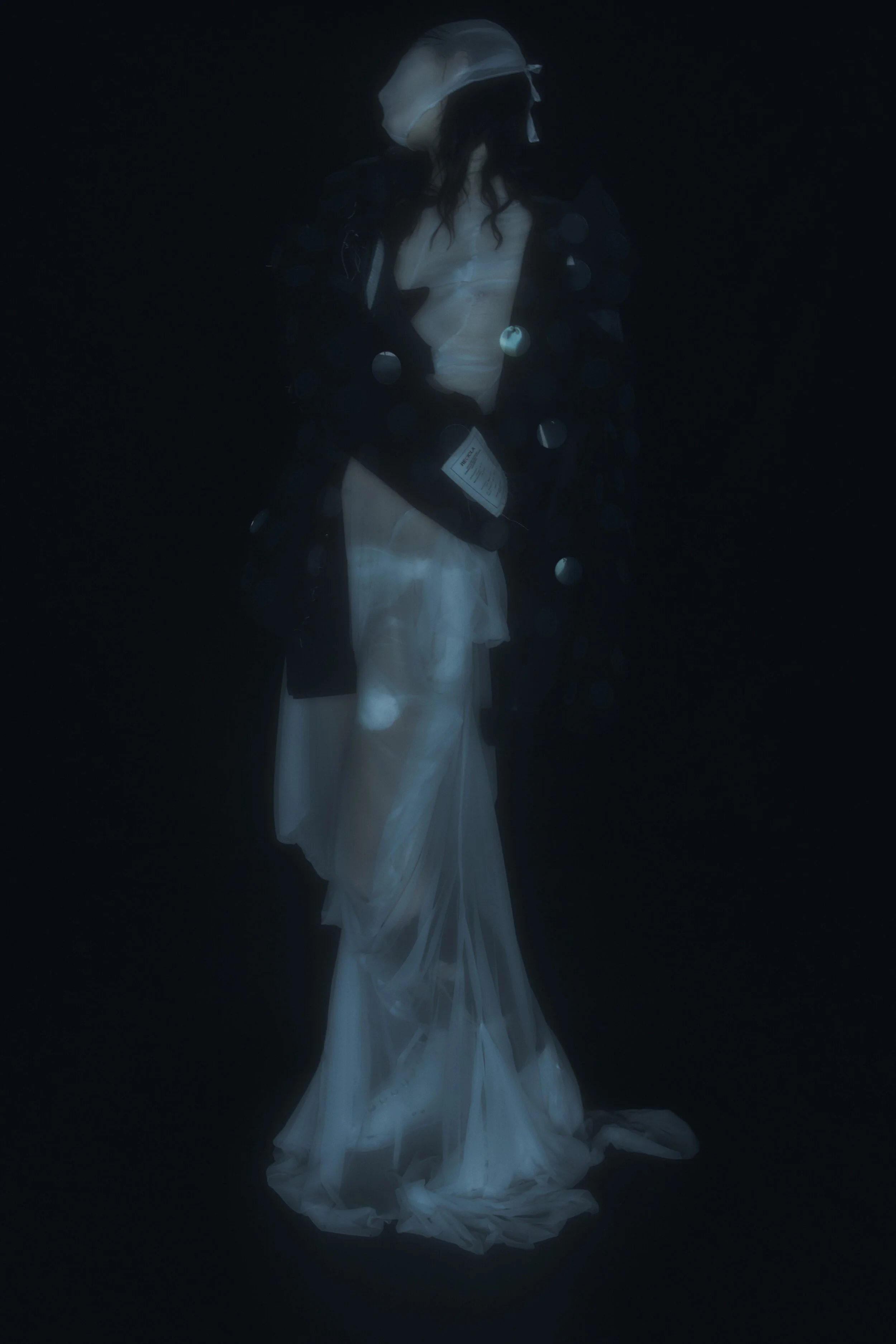
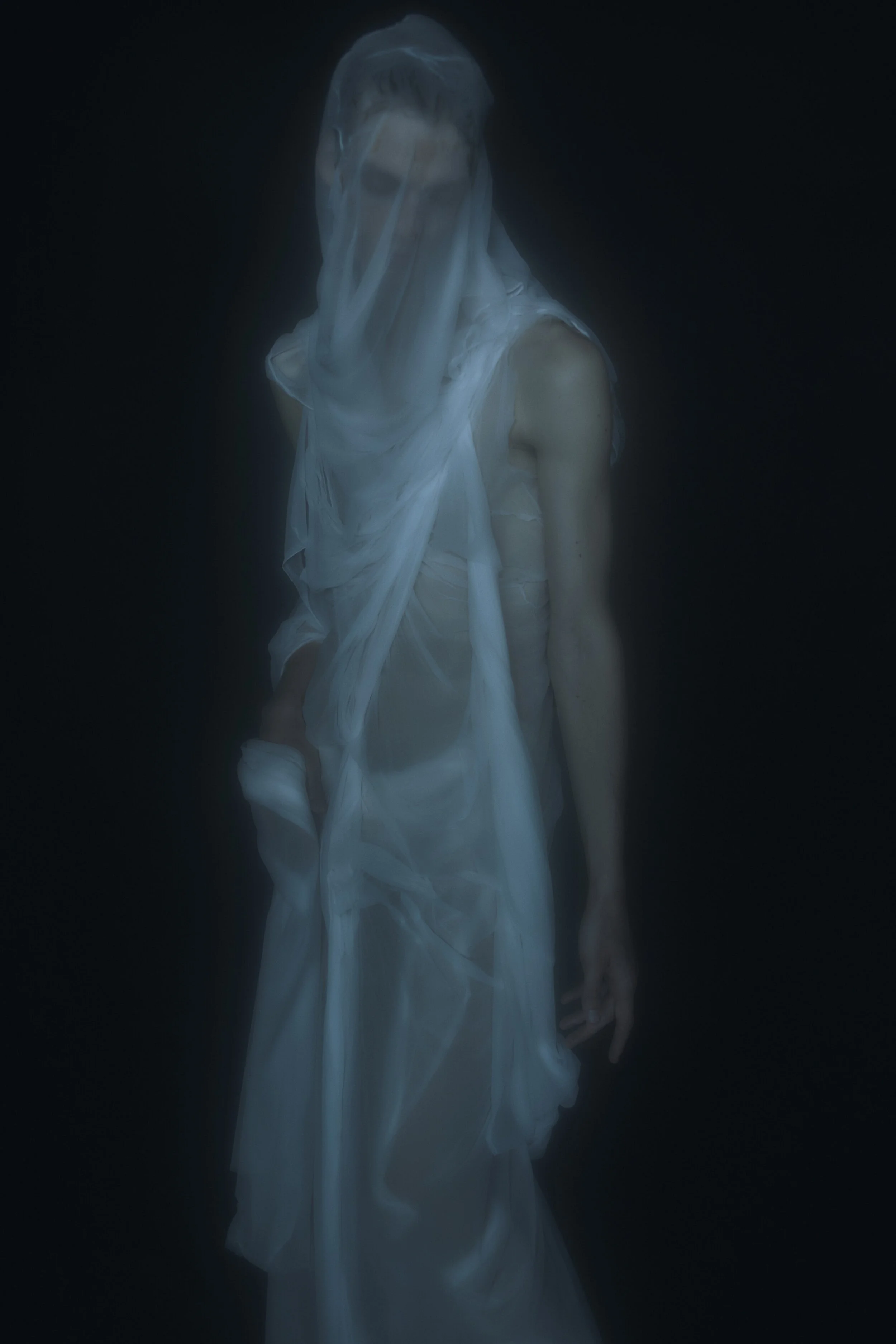
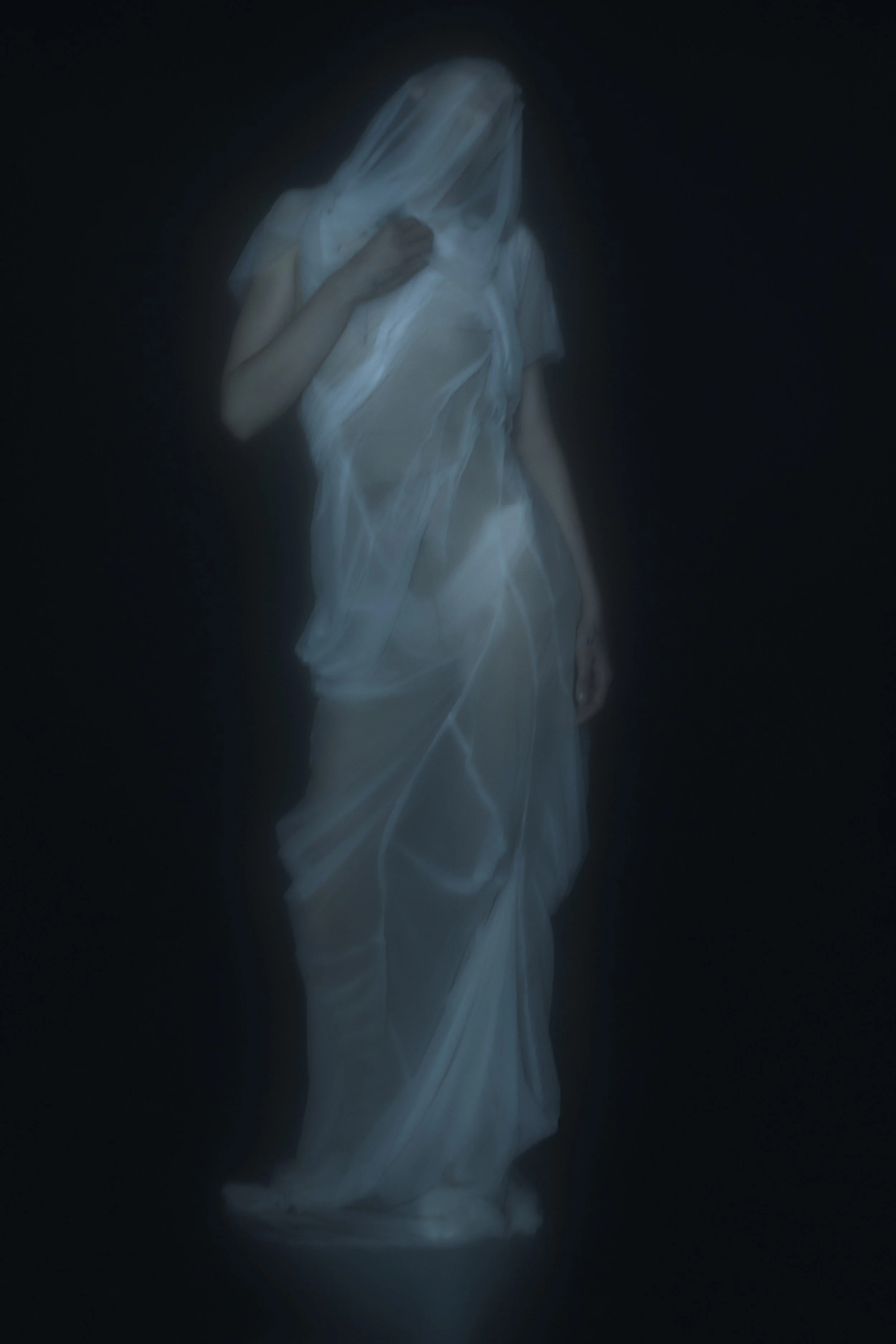
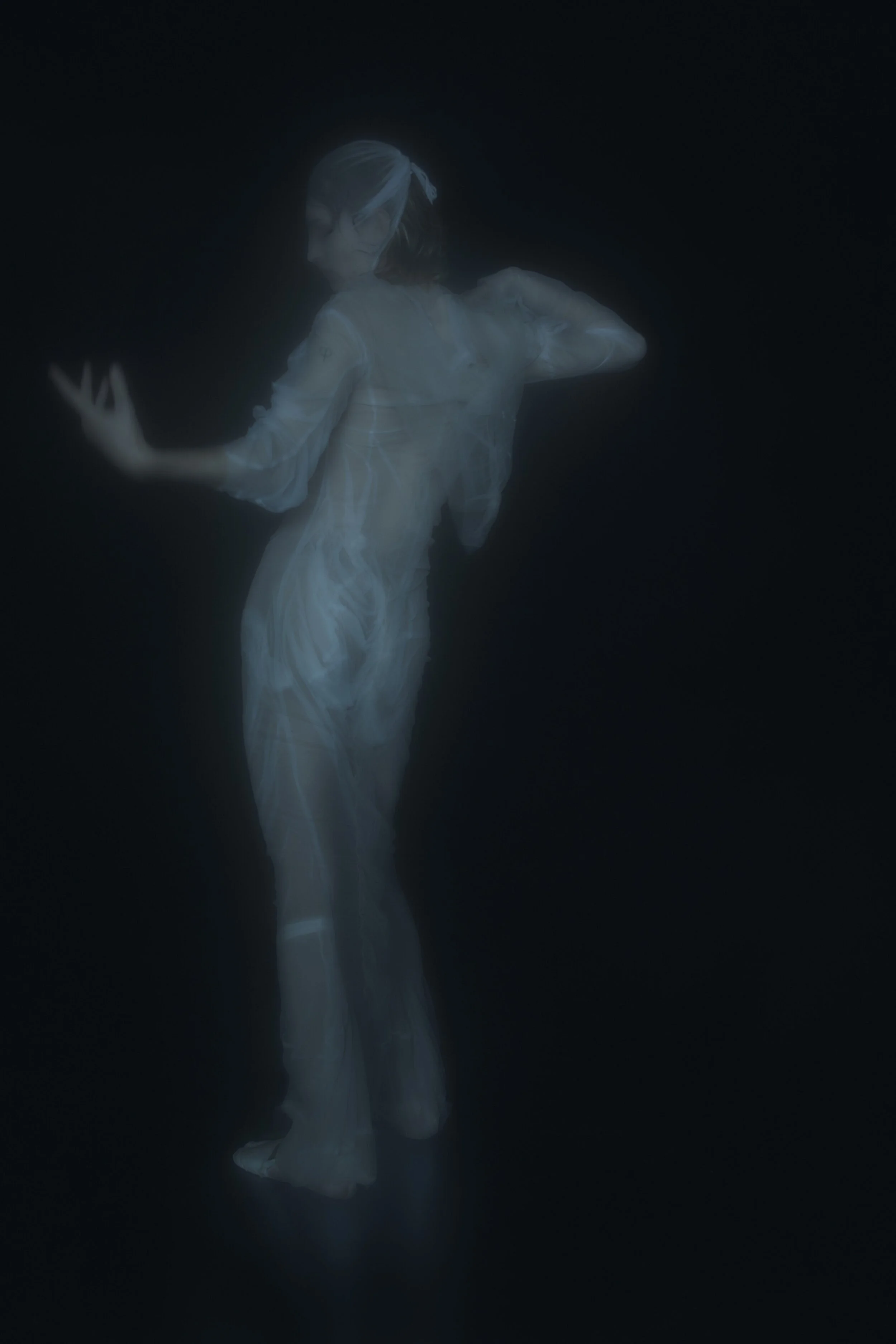
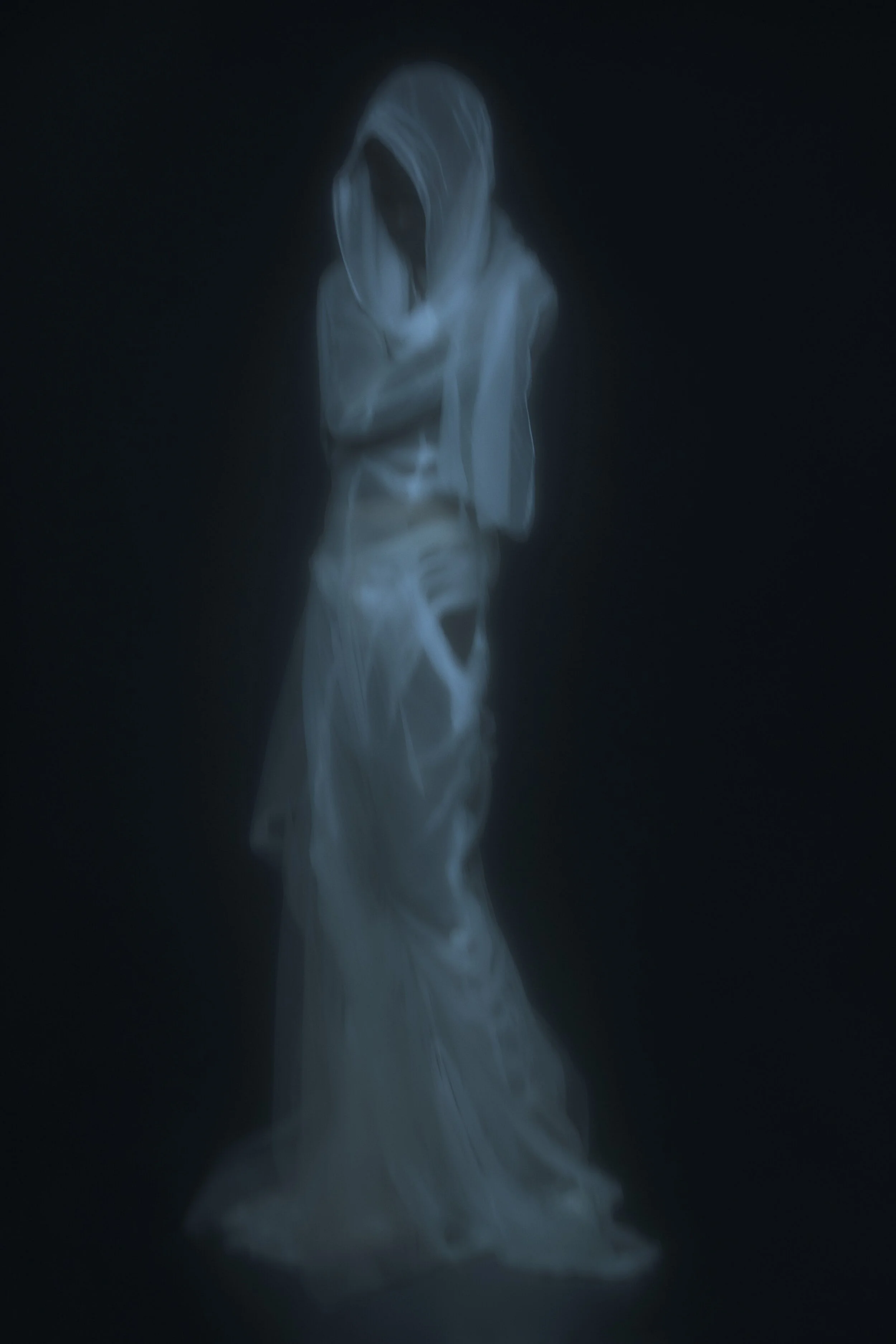
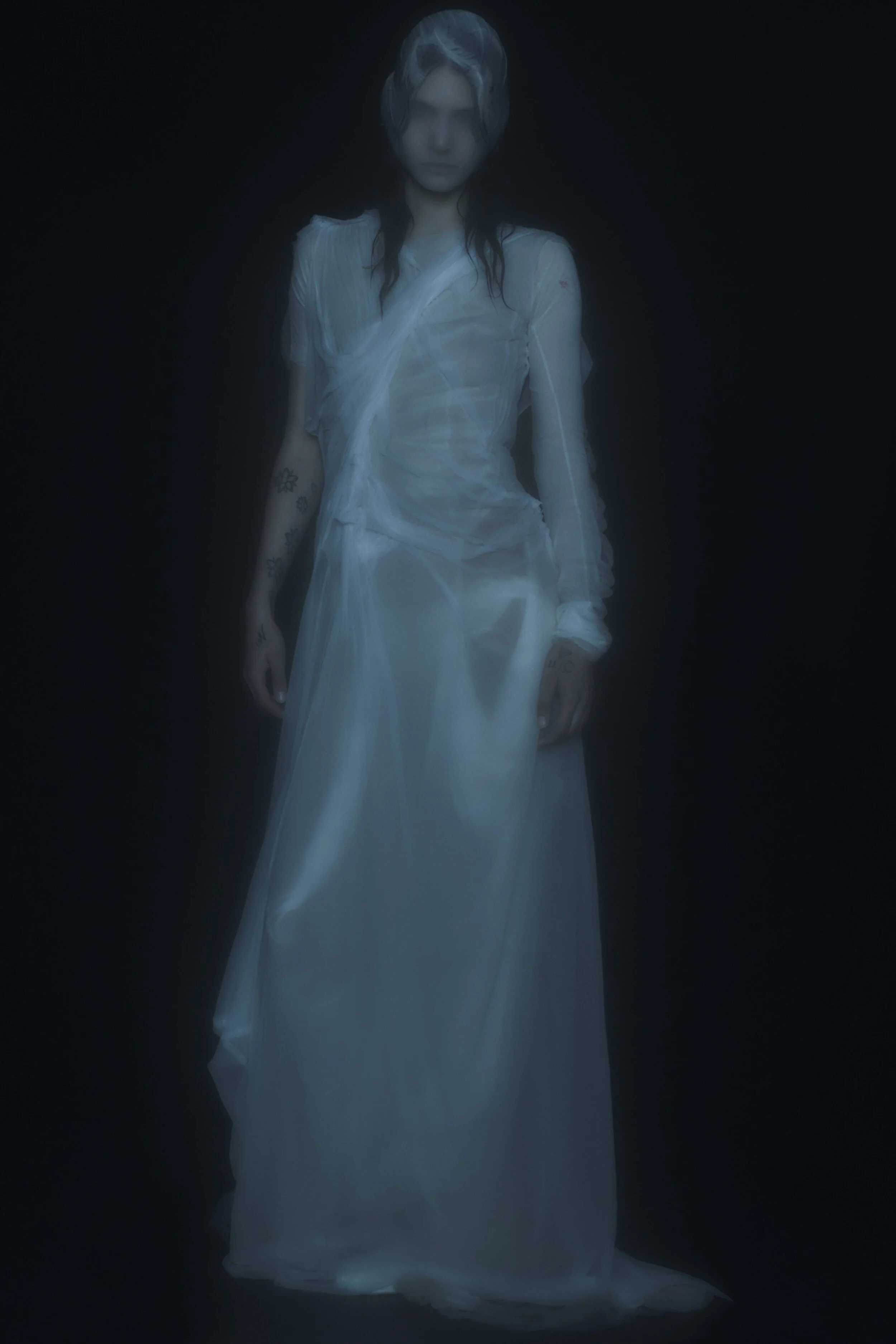
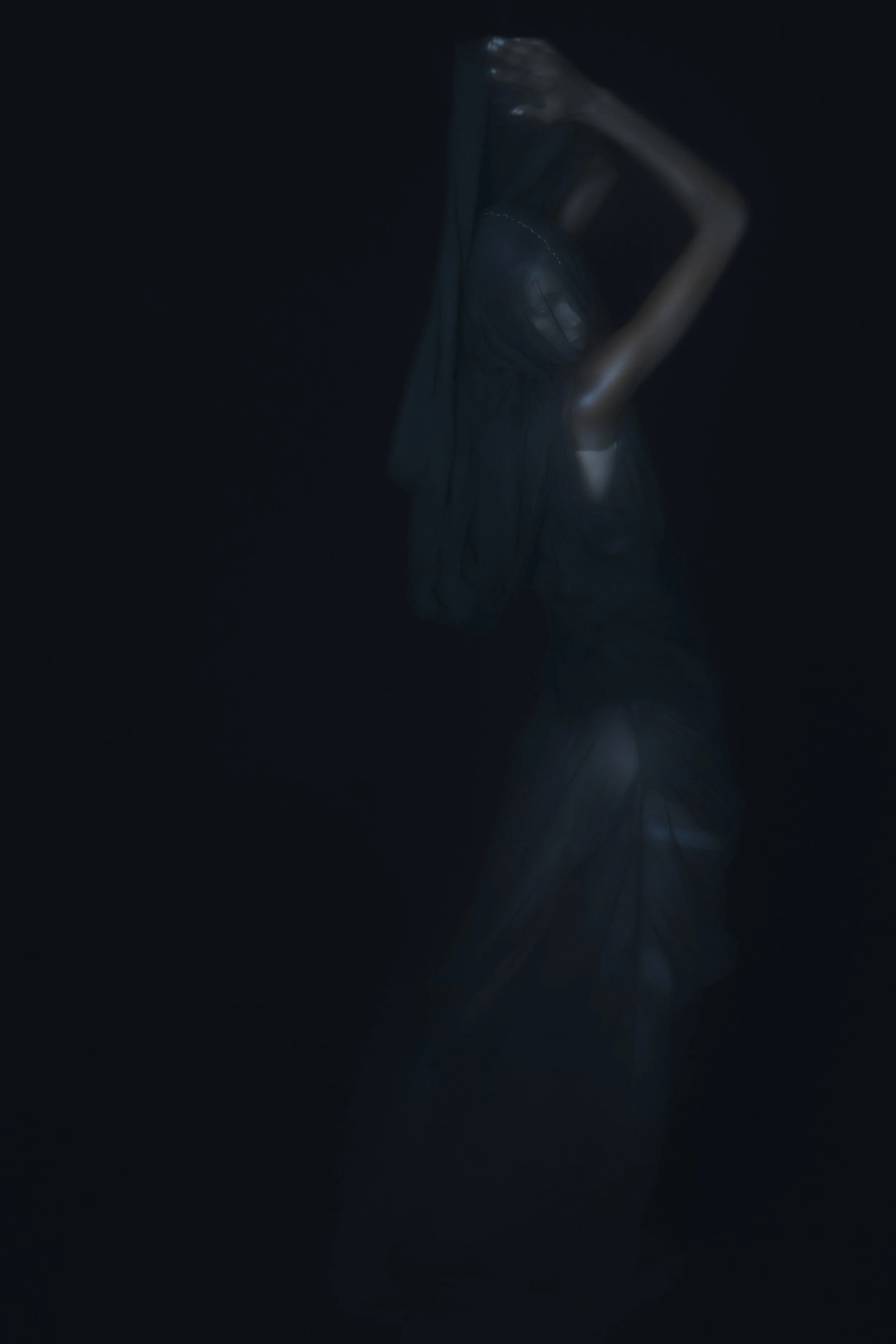
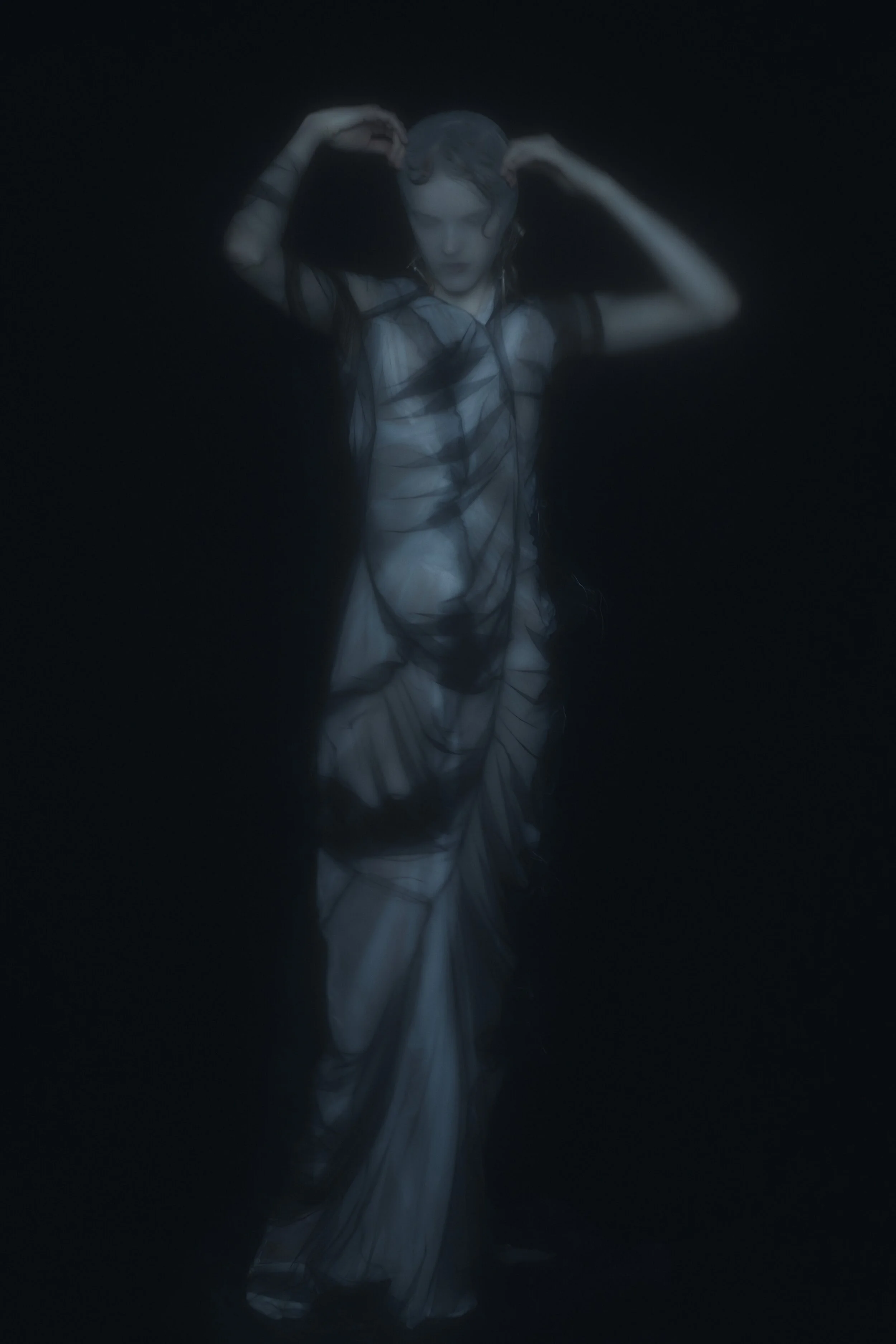
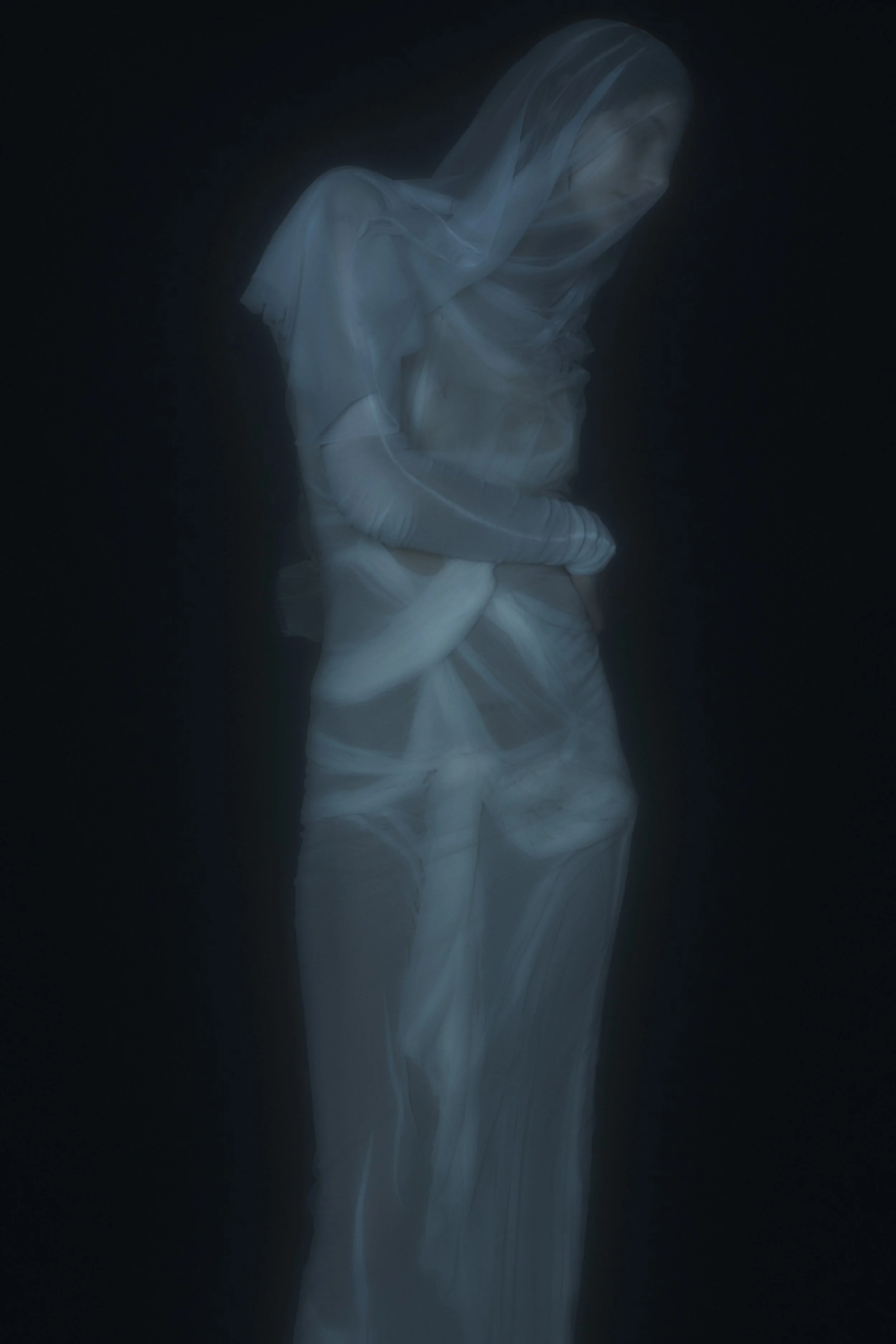
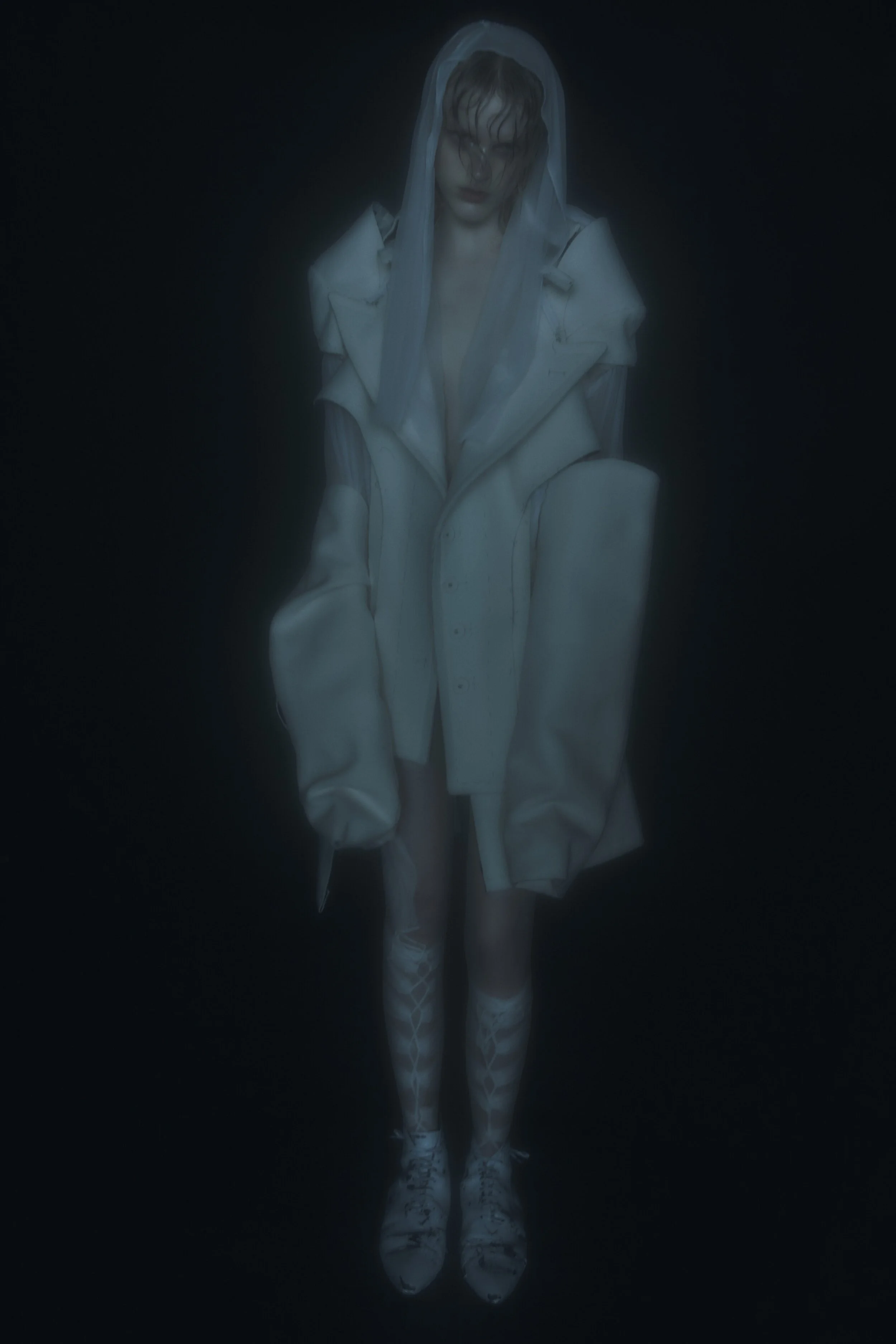
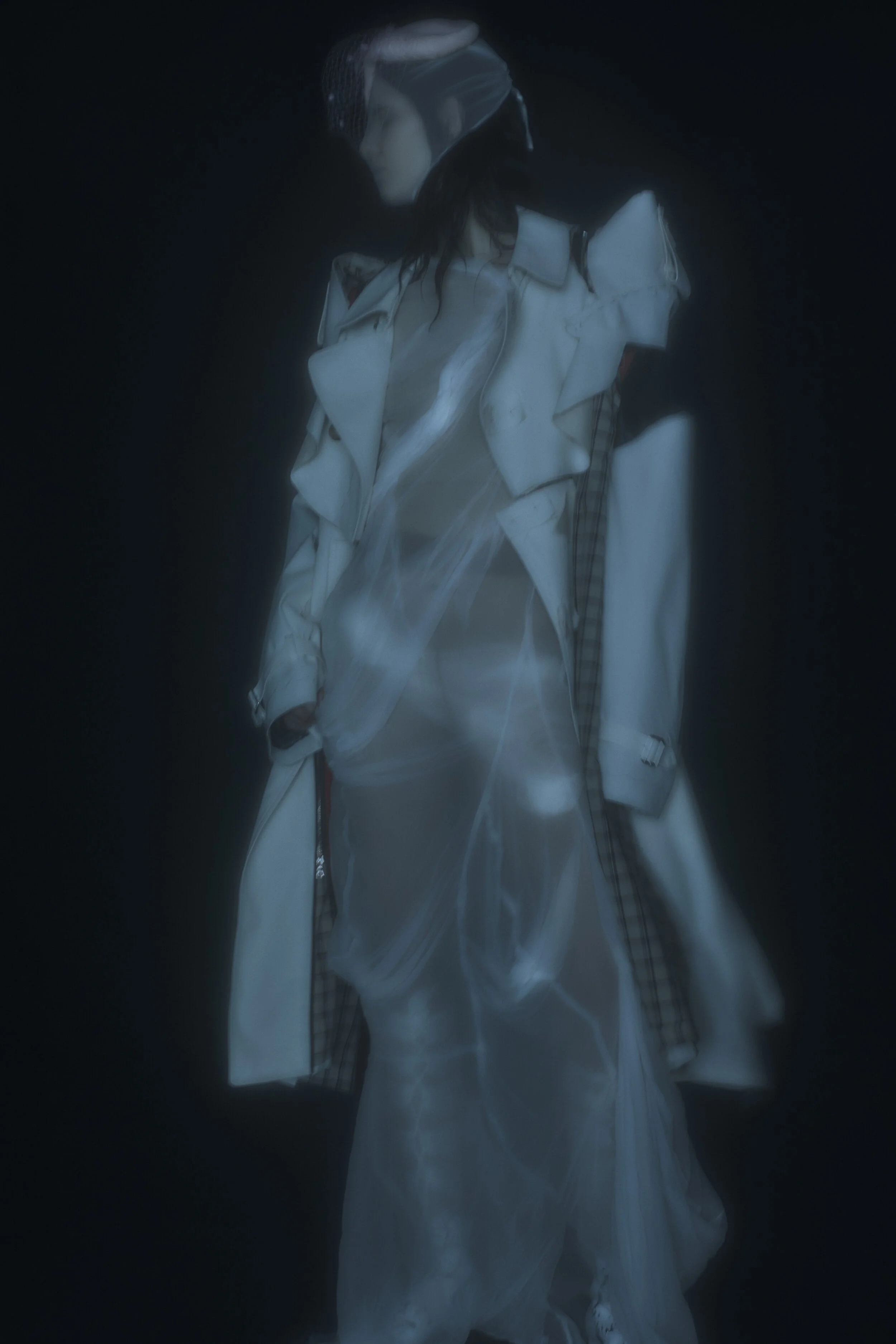
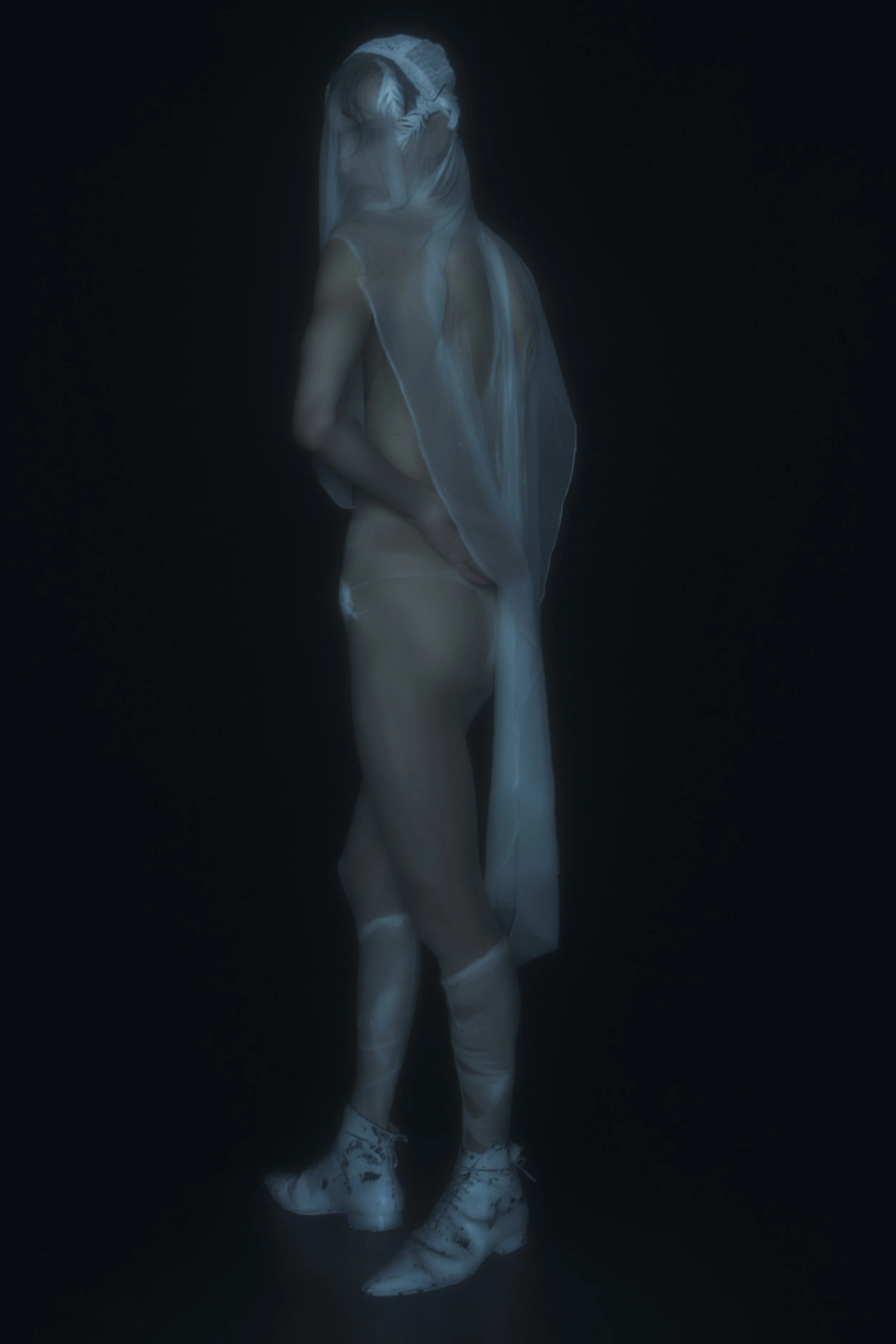
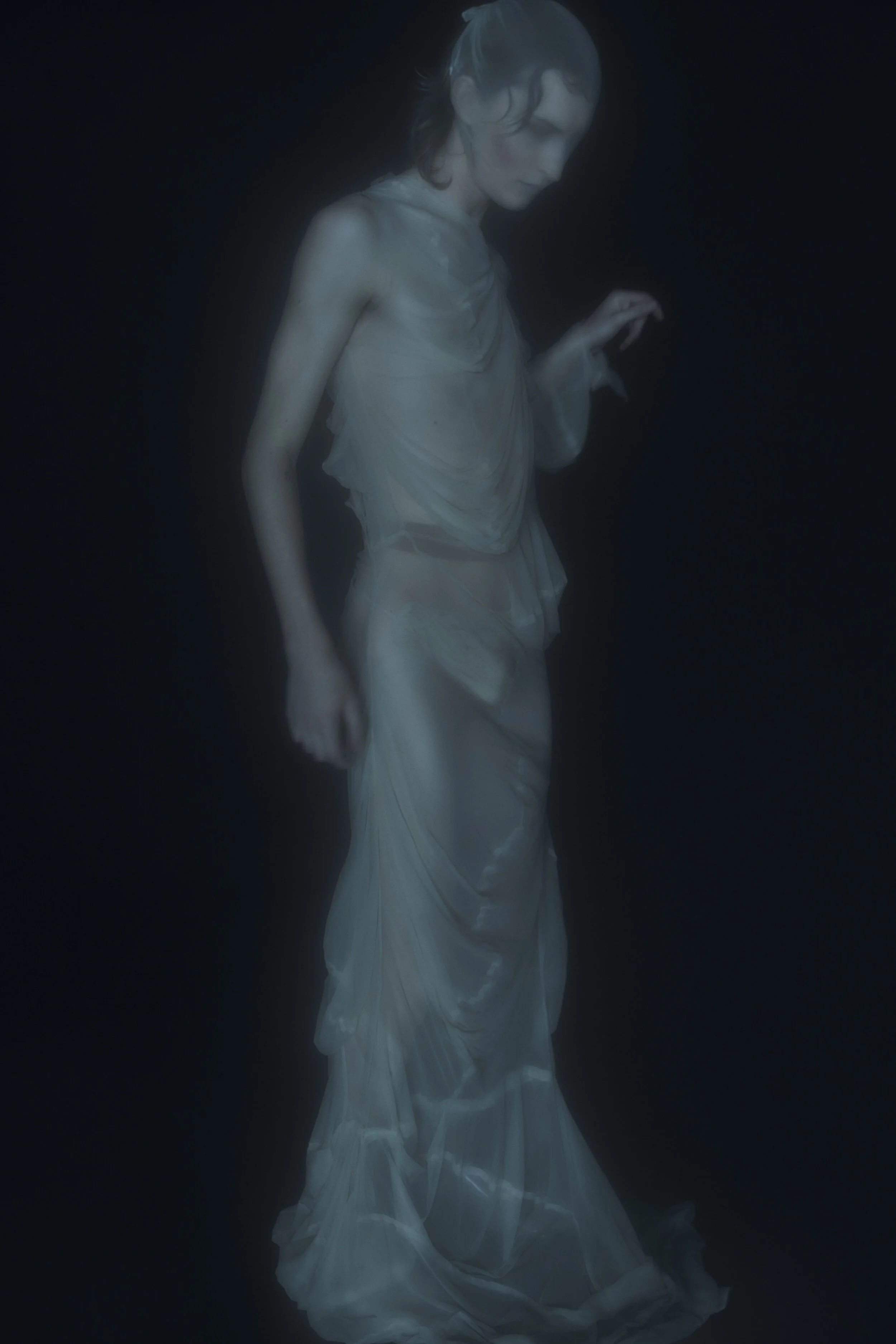
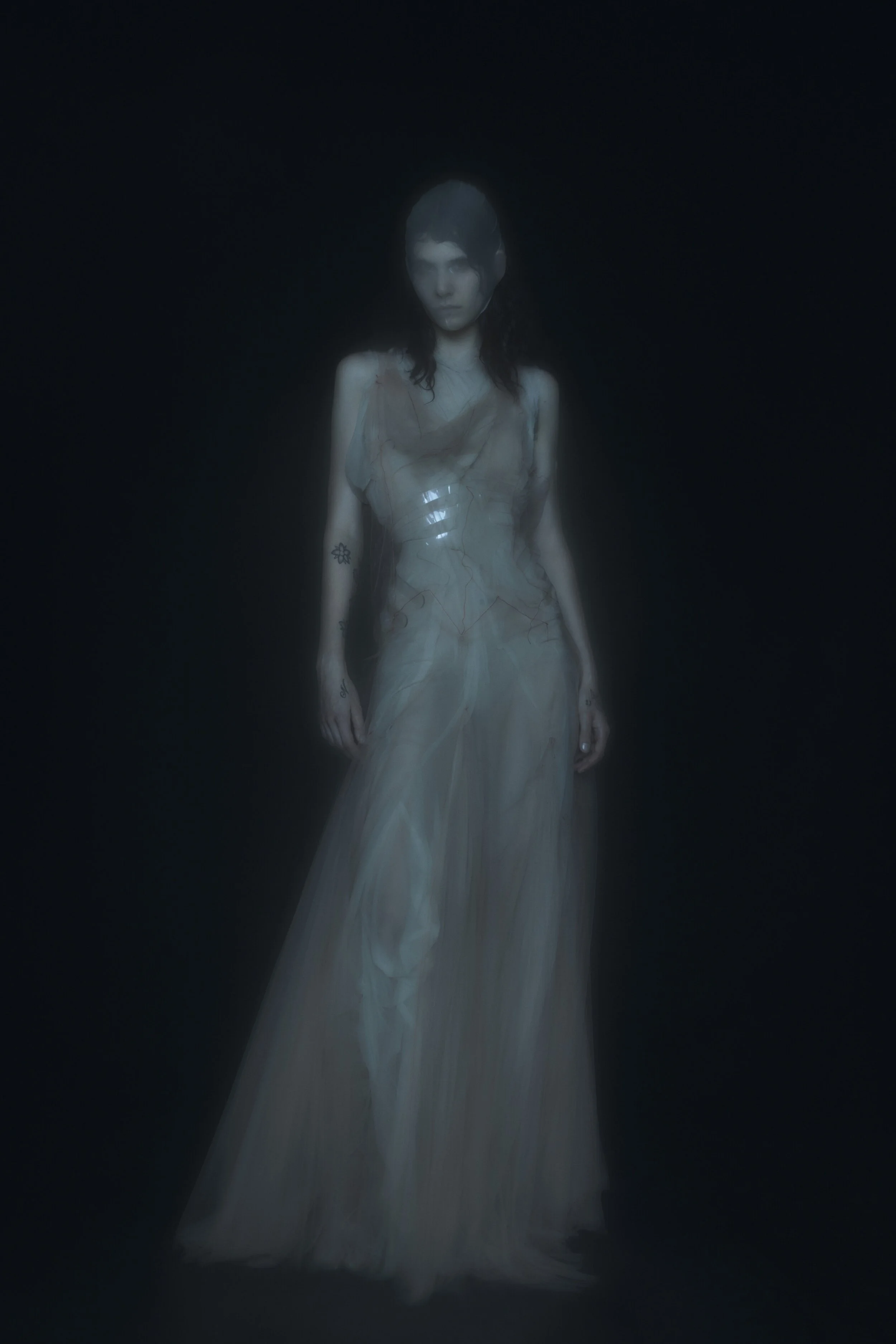
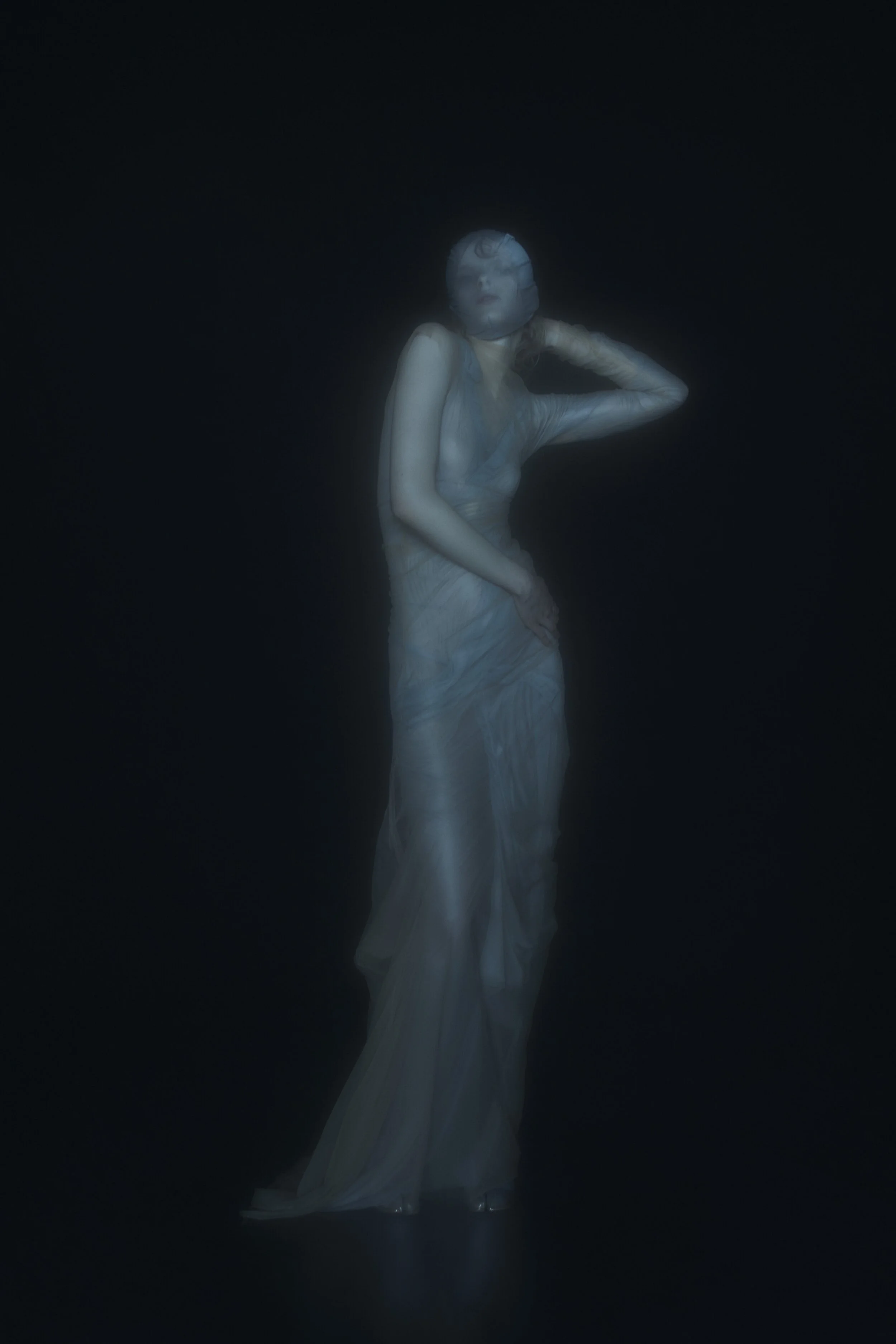
In order to be lifted and motivated in this world were living in, Galliano had to look to Heroism. Traditional roles of Heroism, going back to Roman gods and goddesses, stuck out to Galliano and his team. Sculptures conveying a “wet look”, with mesmerizing drapery and impossible sheerness crafted during the Hellenistic period and the 19th century revival. Artists like Giovanni Strazza and Antonio Corradini’s work were pinned to Galliano’s mood board. Instead of the easy cop out of just creating clothes made of butter muslin or silk organza and then treating them with a wet material, he wanted to convey the “wet look” completely by draping clothes on their own.
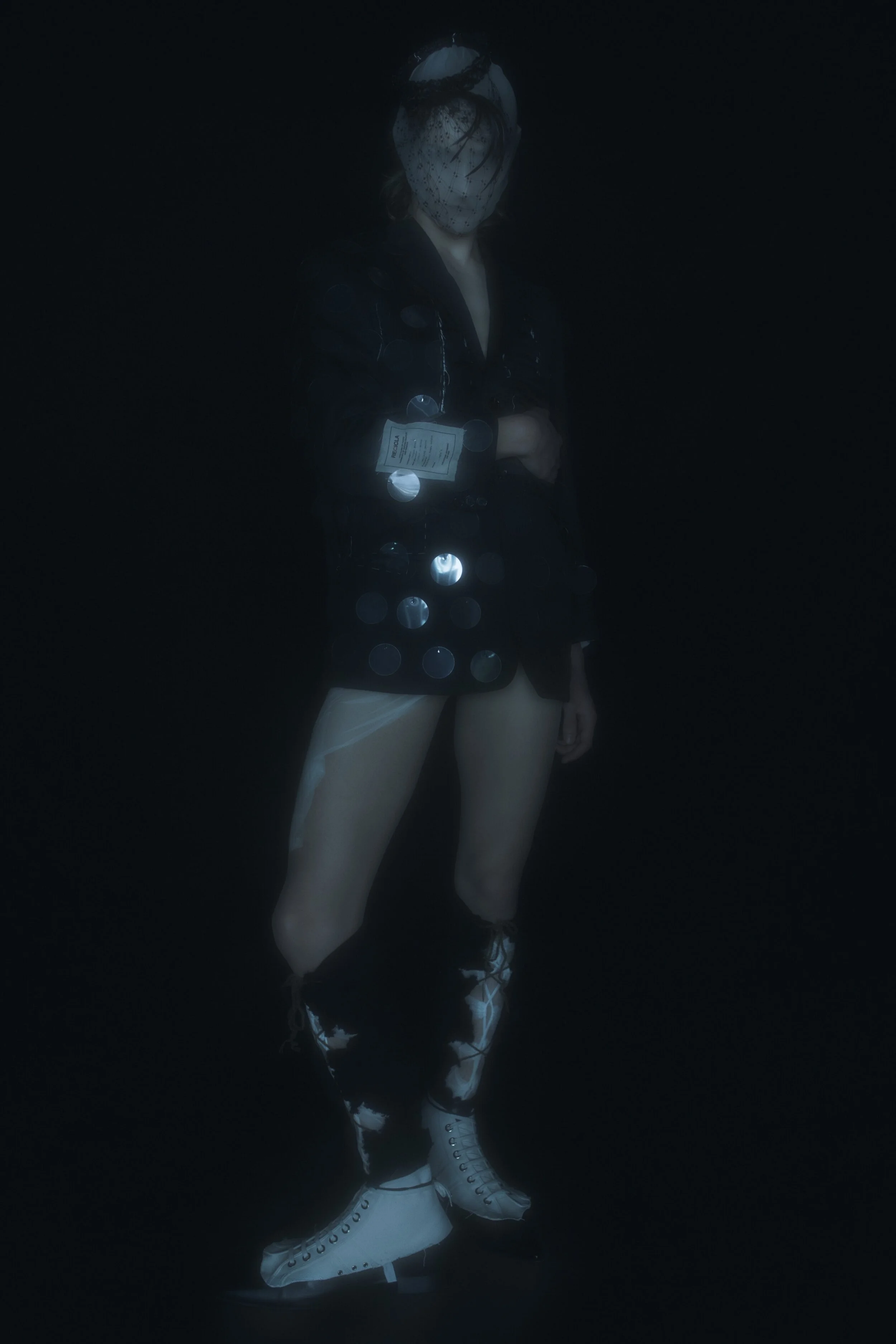
As you see in the film, GoPros attached to the muses’ heads show five ateliers with Galliano constantly adjusting and pinning fabric to achieve the “wet” look he wants. For the accompanying shoes of the collection, the team created a hybrid of the iconic Tabi boot mixed with a soft Roman sandal covered in sheer chiffon fabric. Inspired by a Nijinsky ballet image, the final product evokes a sense of dance and technical creativity. Heroism also inspired the hairstyling, created by Eugene Souleiman. Without using combs or any extensive products, the artist sculped wet hair in waves and wrapped them in chiffon that appeared sheer when stuck to the face. Some of these hair wraps completely covered the face, much like Strazza’s “The Veiled Virgin”.
When the New Romantics got their hands on costumier Charles Fox’s old frock coat and feathered hats in the 1980s, they began to create high fashion personas that partied like no tomorrow. This Hedonism was another source of inspiration for Galliano this collection. In Knight’s film Galliano flips through old photo archives, recognizing old friends that used to party with him at the Blitz club in London. Princess Julia, DJ and friend of both Knight and Galliano, rekindles memories of dancing with Steve Strange and Boy George at the Blitz club in the film. The club kid references come out in sharp pirate leather boots and the DIY tailoring of men’s jackets into silhouette. By cutting open the shoulder seam of these jackets and lifting it, the jacket becomes shaped like armor in Galliano’s hands. Infinitely talented makeup artist Pat McGrath also came up with the beauty look of the collection, heavily inspired by the Blitz kids with dramatic winged eyeliner, sharp Cupid’s bow lipstick, and a rainbow of powdered colors contouring and highlighting the face.
Another form of Hedonism that Galliano saw in his research was the L’Apache dance of the early 20th century. So aggressive that the police were often called by concerned neighbors, the L’Apache involved physically throwing your partner across the room and them lunging back at you. Galliano was stunned to see videos of this dance, as well as photos of dancers after a night of dancing L’Apache. Clothes were slashed, revealing legs under trousers and linings under jackets. And because of Galliano’s duty of upcycling old tailoring, the slashed gestures of the Artisanal collection match that of the slashed dancing clothes.
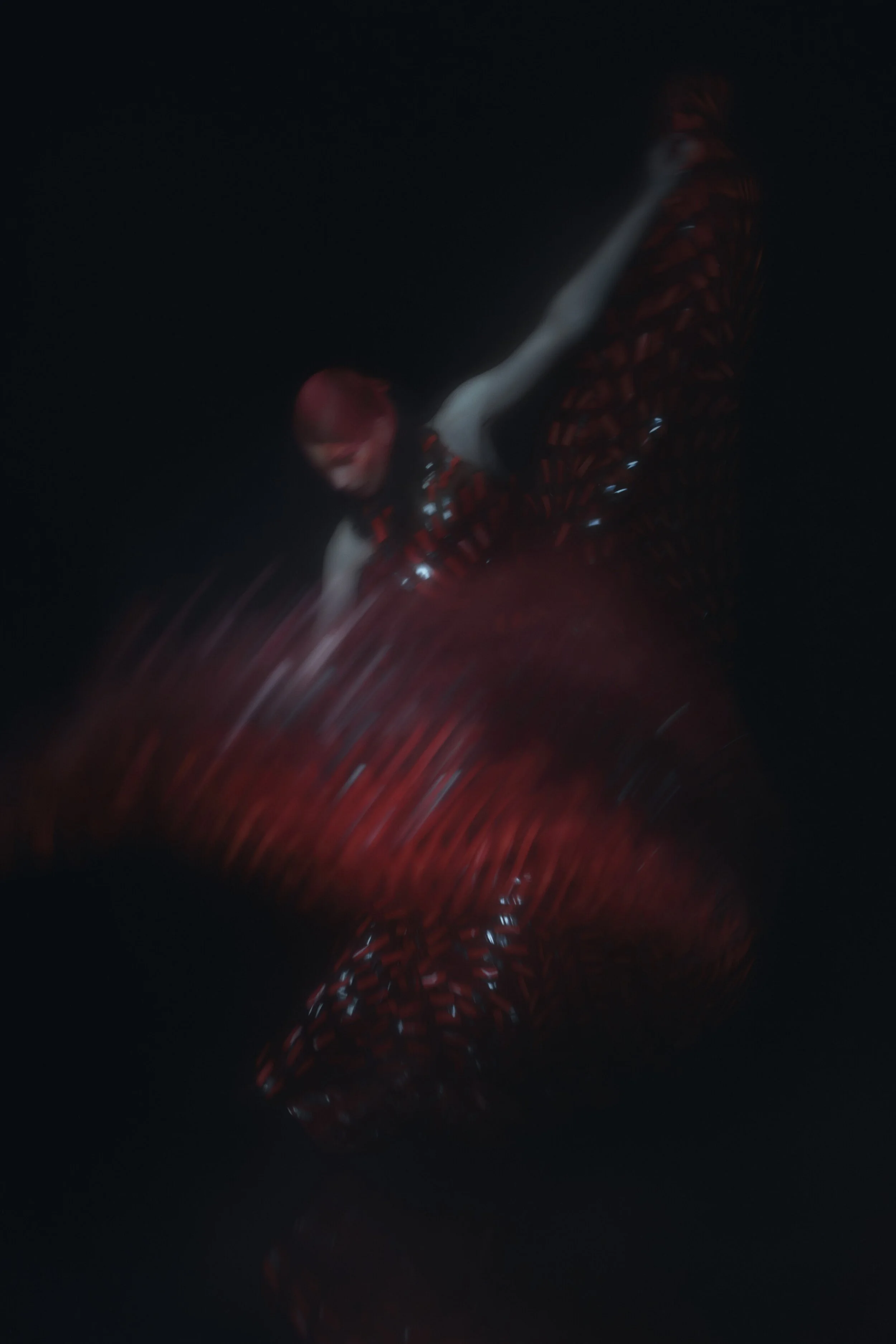
For the finale look, Galliano took previous Artisanal work of playing with projected prints that conveyed movement and subverted it. Only wanting to create “prints with purpose” this collection, Galliano and his ateliers formulated a dress made of red and black tulle. Embroidered on the outer layers of tulle were red and silver mirrored pieces that reacted with each other with even the smallest movement. The last layer of the dress was covered in a print made of warped words from James Baldwin’s “Torchlight” saying “Not everything that is faced can be changed, but nothing can be changed until it’s faced.” over and over again.
Hope, Heroism, and Hedonism are the three staples of this prolific Maison Margiela collection directed by John Galliano. Galliano’s appetite for passion and drama hasn’t diminished despite the brand’s creator being notoriously reclusive. But this doesn’t mean the clothes aren’t always at the front because they certainly are. Each piece of this Artisanal collection has been hand selected, draped, cut, and treated by Galliano and his ateliers, and his passion for creativity and the belief in the transformative powers of couture is something to behold, despite it inhabiting a world becoming more and more treacherous, it seems. But without darkness, there is no light, and Galliano has spent a lifetime understanding that.
Photos Courtesy of Maison Margiela